News AMD's August Deal for Inference Chip Startup Taalas Was Worth $2.9 Billion, Filing Shows, With $1.4 Billion Contingent Business Google Expands Voluntary Exit Buyouts to Five More Countries, With Swiss Staff Offered Up to 12 Months' Pay Apple Intelligence Apple Cuts Engineers' Daily AI Spending Cap to $200, With Deeper Cuts on the Table Meta Meta Buys Conductor, the Startup Whose App Runs Multiple AI Coding Agents in Parallel News MoWorld 2.0 Debuts at Wuzhen: a 4D World Model Trained Entirely on Huawei's Ascend Security Sentra Raises $150 Million From Capital One Ventures to Rein In What AI Agents Can Read Business Kuaishou's Chip Spinoff Lingchuan Raises 1 Billion Yuan to Cut the Cost of AI Video Productivity Y Combinator President Garry Tan Says He Spends Up to $200,000 a Year on AI Tokens News AMD's August Deal for Inference Chip Startup Taalas Was Worth $2.9 Billion, Filing Shows, With $1.4 Billion Contingent Business Google Expands Voluntary Exit Buyouts to Five More Countries, With Swiss Staff Offered Up to 12 Months' Pay Apple Intelligence Apple Cuts Engineers' Daily AI Spending Cap to $200, With Deeper Cuts on the Table Meta Meta Buys Conductor, the Startup Whose App Runs Multiple AI Coding Agents in Parallel News MoWorld 2.0 Debuts at Wuzhen: a 4D World Model Trained Entirely on Huawei's Ascend Security Sentra Raises $150 Million From Capital One Ventures to Rein In What AI Agents Can Read Business Kuaishou's Chip Spinoff Lingchuan Raises 1 Billion Yuan to Cut the Cost of AI Video Productivity Y Combinator President Garry Tan Says He Spends Up to $200,000 a Year on AI Tokens

Y Combinator President Garry Tan Says He Spends Up to $200,000 a Year on AI Tokens

Y Combinator President Garry Tan Says He Spends Up to $200,000 a Year on AI Tokens

Y Combinator President Garry Tan said at TechCrunch Founder Summit in Boston that his personal AI agent usage costs up to $200,000 per year in tokens, and that working with coding agents at that intensity has produced what he calls cyberpsychosis. The figure is a striking illustration of token spend becoming a real line item even for individual developers.

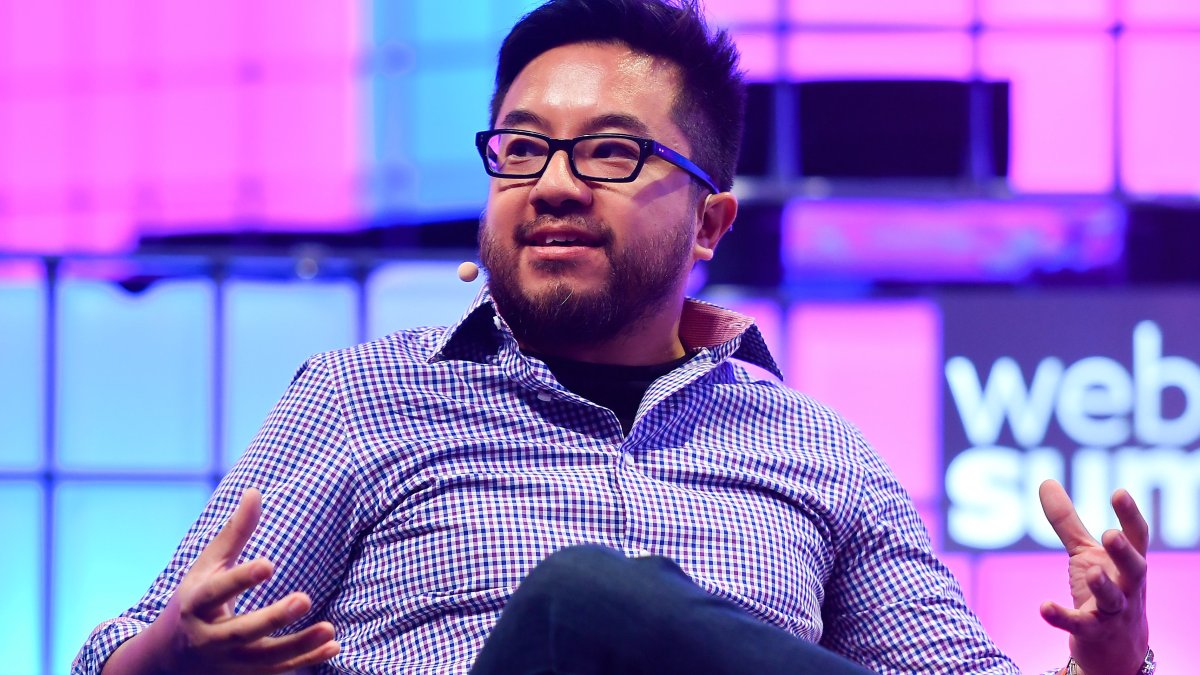
Speaking at TechCrunch's Founder Summit in Boston on November 4, Y Combinator President Garry Tan said he spends up to $200,000 a year on AI tokens — a personal bill that reflects how deeply coding agents have embedded themselves in his daily work.

Tan said he works with AI agents so intensively that he has experienced what he called cyberpsychosis, his shorthand for the disorientation that sets in when hours of continuous agent collaboration blur the line between what you built and what the machine built. The remark drew laughs from the audience, but the number behind it was not a joke.

For context, $200,000 a year works out to roughly $550 per day in tokens — more than many companies budget for their entire developer tooling stack. At frontier model pricing, sustained spend at that level implies millions of tokens consumed daily. Tan is less an edge case than a leading indicator of what heavy agent use looks like once the bottleneck shifts from writing code to reviewing and directing it.

Y Combinator sits at the center of that shift. The accelerator's batches are dense with startups building on frontier models, and its president personally running a six-figure token bill sends a pointed message to founders: agent spend is now a core operating cost, not a novelty experiment.

For model providers, anecdotes like this are the demand side of the infrastructure buildout — the inference revenue that data center capex is being underwritten against. For developers, the economics run the other way: token bills scale with ambition, and an agent that runs all day is no longer a hypothetical expense.

The interesting question is not whether $200,000 a year is sensible — for the president of Y Combinator, it plainly is — but where the floor settles for everyone else. If the most productive individual developers are now spending enterprise-scale sums on inference, the gap between those who can afford to run agents continuously and those who cannot becomes a genuine competitive variable. The tokens, in other words, are the new rent.

Comments (0)

Log in to join the discussion

Log In

No comments yet