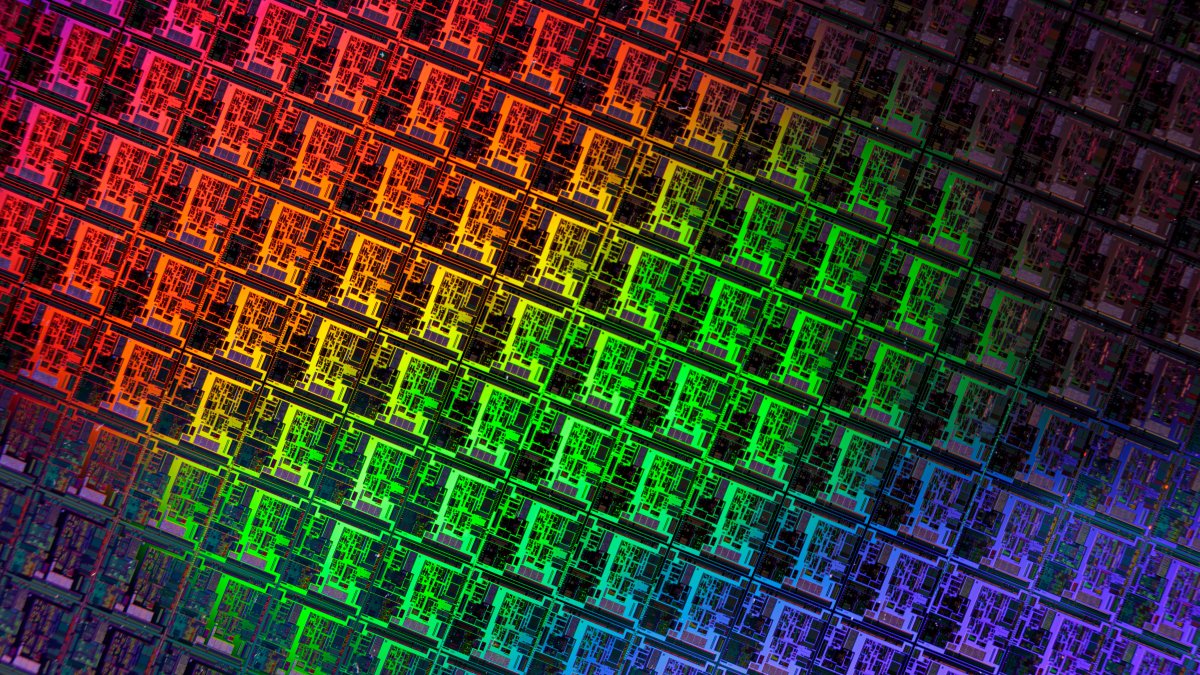
Samsung Electronics and SK Hynix are upgrading their Chinese NAND factories to produce flash memory with more than 200 layers, according to a Reuters report citing four people familiar with the matter, a bid to close the technology gap with their Korean home lines while fending off fast-growing domestic rival YMTC and serving surging AI data center demand.
Samsung's fab in Xian accounts for roughly 40 percent of the company's global NAND output and currently produces chips with about 200 layers. Under an internal project named Monami, Samsung is converting the facility to make 286-layer V9 NAND, targeting monthly output of 5,000 wafers this December and a jump to 40,000 wafers per month by December 2027. Samsung confirmed the upgrade is underway, said it complies with US export regulations, and stressed that it is not expanding production capacity or building new facilities.
SK Hynix, meanwhile, plans to switch its Dalian plant from 192-layer production to 240 layers or more. The site, acquired from Intel along with its NAND business in 2021, remains the sole NAND manufacturing base for Solidigm, which is preparing for a US initial public offering. One person said SK Hynix is already authorized to make chips with up to 240 layers at Dalian and may seek further permission to conduct research and development on 300-plus-layer chips there, laying groundwork for potential US production. The company is also in discussions with the Trump administration about building a new NAND factory in the United States.
The export control picture remains uncertain. Since Washington imposed curbs on some chipmaking equipment in 2022, both companies have needed annual licenses to install American-made etchers and other tools in China. The US Bureau of Industry and Security referred Reuters to its 2025 statement that it intends to grant licenses for operating existing factories in China, but not for expanding capacity or upgrading technology. Reuters could not determine to what extent export licenses for the needed equipment have actually been approved.
The competitive urgency is real. YMTC commanded 38.5 percent of China's NAND market in the second quarter, up from 28 percent for all of 2025, overtaking Samsung at 33.5 percent and SK Hynix at 17 percent, according to research firm Omdia. Globally Samsung still leads with 27.5 percent of the NAND market, ahead of SK Hynix at 18.5 percent and YMTC at 15 percent, per CFM flash market data. YMTC's lineup is mostly 160- and 232-layer parts, but it already produces a small amount of 294-layer chips and plans to move beyond 300 layers.
Outside China both Korean firms remain well ahead on the technology frontier: Samsung sells NAND with up to 286 layers and showed a prototype with more than 400 layers in August, while SK Hynix sells chips with up to 321 layers. Investors welcomed the upgrade plans, sending shares in both companies up about 6 percent on Wednesday after the report was published.
The episode is a useful window into how AI demand is reshaping even commodity-adjacent silicon. NAND for enterprise SSDs is now a strategic input for AI data centers, and the Korean incumbents are betting that keeping their Chinese fabs one or two generations behind, rather than mothballing them, is the best way to hold share against a domestic rival that is closing the gap layer by layer.
Comments (0)
Log in to join the discussion
Log InNo comments yet