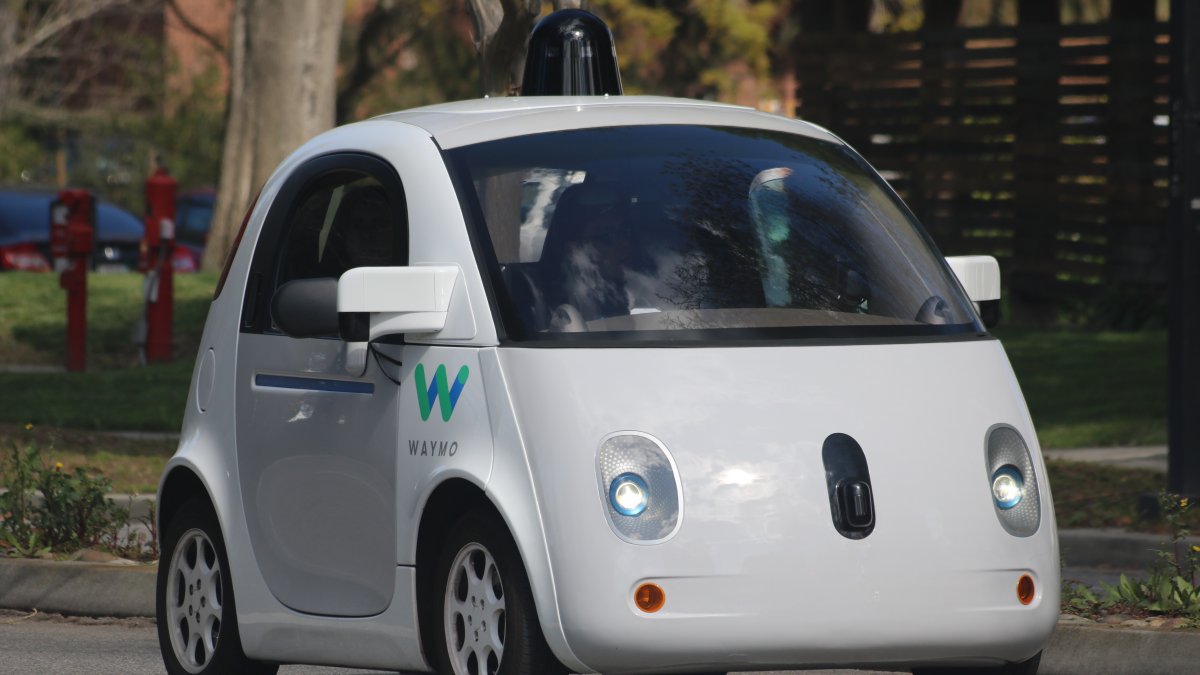
Waymo announced on Tuesday that it is laying the groundwork for its fully autonomous ride-hailing service in Spain, beginning with the Region of Madrid, with an aim to welcome its first riders in 2027. The Alphabet unit said its electric Jaguar I-PACE vehicles will start appearing on Madrid streets in the coming days, driven manually at first before moving into technical validation with trained local autonomous specialists behind the wheel.
The company will operate under the autonomous vehicle testing framework of Spains traffic authority, the DGT, and says it is engaging with national, regional and local authorities while familiarizing emergency services with its technology. Reuters reported last month that the DGT issued its first national autonomous testing permits to WeRide and Uber, with commercial service in Madrid expected by the end of this year - meaning Waymo will not be entering an empty field.
Co-CEO Tekedra Mawakana described Madrid as an incredible capital of innovation and an integral part of the companys growing global presence, adding that Waymo shares the regions commitment to safer, more accessible and zero-emission mobility. The announcement drew support from Spanish road-safety groups, including the Spanish Road Safety Foundation (FESVIAL), whose president Ignacio Lijarcio called autonomous driving an opportunity to turn innovation into an ally of road safety.
Spain is the third European country Waymo has formally said it is entering, after the United Kingdom and Germany. The company is targeting a London launch this year, Tokyo in 2027 in partnership with Nihon Kotsu and GO pending regulatory approval, and Toronto in 2028 with Element Fleet Management. Its Spanish subsidiary, Waymo Iberia SL, entered the commercial registry in Madrid in June, and the company has teamed up with Allianz Partners on insurance and safety research for its European operations.
Waymo backed the pitch with its cumulative operating numbers: more than 20 million paid trips completed, hundreds of thousands of commercial rides each week across more than 15 US cities, and over 400 million fully autonomous kilometers driven. The company says its vehicles were involved in 95 percent fewer crashes involving serious injury or worse than human drivers in the cities where it operates - a company-reported figure, but one increasingly echoed by independent reviewers.
The Madrid move lands amid an aggressive expansion push. Semafor reported on Monday, and Reuters echoed, that Waymo plans to grow its fleet from roughly 4,000 vehicles to 8,000 by the end of this year and 20,000 by the end of 2027, funded partly by a $5 billion private credit line from lenders including PIMCO, Blackstone and Sixth Street, on top of a $16 billion equity round earlier this year at a $126 billion valuation.
For Spain, the announcement is less about hardware than sequencing: manual mapping, validation and regulator familiarization come first, riders later. For Waymo, every new country is another test of whether its safety record and operating playbook survive contact with unfamiliar road cultures. Madrid will be watched closely as the first market where Waymo arrives after a Chinese-linked competitor has already secured national permits.
Comments (0)
Log in to join the discussion
Log InNo comments yet