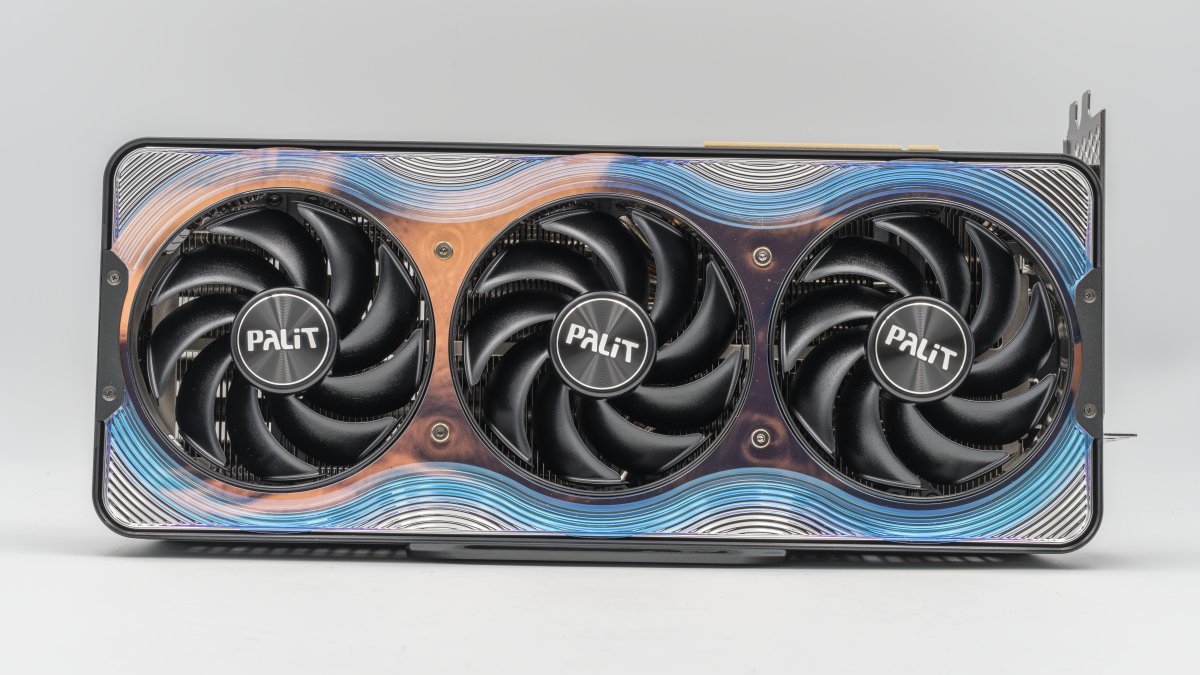
Buying NVIDIA's flagship GeForce RTX 5090 at Micro Center has quietly become a compliance exercise. According to reports from PC Gamer, Tom's Hardware and VideoCardZ, the large US PC retailer has started requiring customers to complete an "Advanced Computing Product Purchaser Declaration" - and to have a government-issued photo ID scanned - before they can walk out with an RTX 5090, or a prebuilt system that contains one.
What the form demands
The declaration, first shared by a Reddit user who was buying a PowerSpec AI90 prebuilt with an RTX 5090 inside at Micro Center's Tustin, California store, asks for considerably more than a signature. Buyers must provide their legal name, address, phone number and email, along with details from a government-issued ID that staff scan at the register. If the card's end user is not the buyer, that person's identity must be disclosed, along with the installation location and the intended use of the hardware.
The form's header leaves little room for interpretation: "NO EXPORT - NO EXCEPTIONS." Purchasers certify that the product will not be exported, re-exported, transferred, resold or otherwise caused to leave the United States, and the retailer reserves the right to refuse or unwind the transaction if anything on the form raises concerns. Another measure reported in the same thread: customers are limited to a single RTX 5090 purchase, effectively for life.
A second shopper has since confirmed the same process at the Columbus, Ohio store, suggesting the policy is not a one-off. Micro Center has not publicly confirmed a chain-wide rollout, and the company did not respond to requests for comment from the outlets that covered the story.
Why a $1,999 graphics card is being treated like controlled goods
The backdrop is a GPU market that has detached from its official pricing. The RTX 5090 launched at $1,999 in January 2025, but the lowest current US listing sits at roughly $4,999 - a premium of about 150% - with some SKUs fetching far more. NVIDIA has raised the GPU-and-memory kit prices it charges board partners three times in 2026, compounding to roughly 32-49% above the January baseline, as GDDR6 spot prices climbed from around $2.50 to about $11.84 per gigabyte since autumn 2025 amid a memory shortage.
Demand is no longer coming only from gamers. The RTX 5090's 32GB of VRAM makes it an attractive card for local AI workloads, and reporting over recent months has described overseas buyers - including companies running AI inference - purchasing gaming cards in bulk at several times the standard cost. The card is also banned from official sale in China, where NVIDIA sells the de-rated RTX 5090D variants instead; US authorities estimate that smuggled advanced chips flow to China through relay markets such as Malaysia and Singapore. On October 1, the US Department of Justice announced the arrest of a California server vendor accused of running a scheme to funnel more than $300 million in export-controlled hardware, including RTX 5090s and H100 servers, to China.
A deterrent with limits
Commenters were quick to note that the declaration is not a legally binding export-control instrument, and that anyone intent on resale can simply lie on the form. Others raised privacy concerns about handing a retail chain a scanned driver's license for a graphics card purchase. Defenders of the policy argue the ID check still raises the cost of bulk buying by transient resellers, and note that some other US retailers, such as Central Computers, already apply similar end-user acknowledgements at checkout.
For now, the paperwork marks a new normal for high-end GPU retail in the US: a consumer product sold with export-control-style declarations, ID scans and one-per-customer limits - because the line between a gaming flagship and an AI commodity has effectively disappeared.
Comments (0)
Log in to join the discussion
Log InNo comments yet