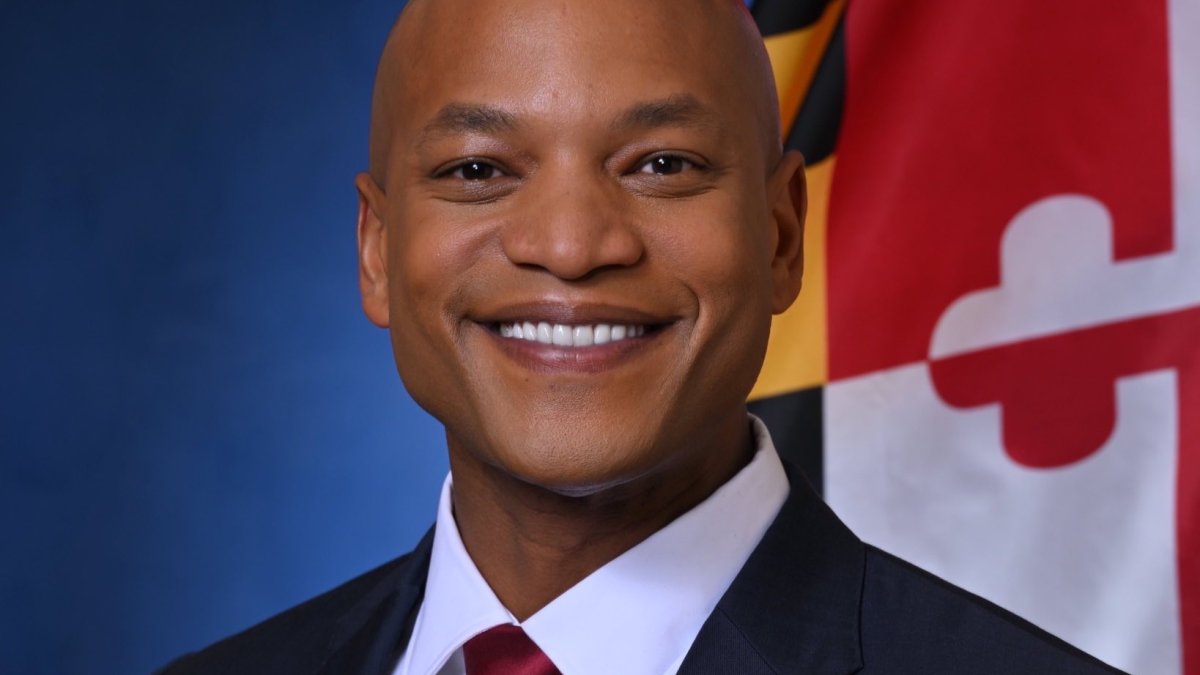
The National Governors Association on November 22 released a set of 24 bipartisan principles for AI governance that proposes a clear division of labor: the federal government should oversee national and international risks as frontier AI models are developed, while states retain the flexibility to protect consumers, workers and children as AI is deployed. The recommendations come from the NGA's Governors Council to Secure American AI Dominance, led by NGA chair Maryland Governor Wes Moore alongside Indiana Governor Mike Braun, North Carolina Governor Josh Stein and Utah Governor Spencer Cox.
Of the 24 principles, 14 are addressed to states, five to the federal government and five to both levels. The federal asks center on the most advanced systems: a risk-based framework for frontier models, evaluation or audit of those models by independent experts, and a requirement that developers report security breaches and significant safety incidents to federal authorities and affected states. The document deliberately avoids drawing a compute or revenue threshold for what counts as "the most advanced" model, instead calling for clear, technically informed definitions with regular review as capabilities evolve.
The states' side of the ledger makes them the primary accountability mechanism for AI harms that affect people in deployment: six principles concern protecting people from harm, four cover workers, schools and talent pipelines, three address state use of AI in government and health services, and one calls on states to coordinate with each other. Governors paired the safety language with an economic argument — Braun said AI has "great potential to generate economic growth, create more high-quality jobs, increase wages and make government services more efficient."
The most contested principle is about preemption. The governors write that any attempt to preempt state AI laws should be approached cautiously and include meaningful input from a representative cross-section of states — a direct counter to the White House framework sent to Congress in March, which asked lawmakers to override state AI rules that impose "undue burdens." No bill text has been published under the governors' plan and no Congressional sponsor is named, so nothing in law has changed yet.
The timing matters. Republican Representative Jay Obernolte said on Sunday that Congress could still pass the Great American AI Act before the end of the year, before Democrats take control of the House in January — a compressed legislative window that competes with government funding deadlines. Governors from both parties are positioning themselves as indispensable to any national framework: NGA chief executive Brandon Tatum said no federal AI policy will be effective without governors' input.
The state-level enforcement landscape the governors are reacting to is moving fast on its own. New York's attorney general created a dedicated AI enforcement unit last week to police model developers and chatbot operators, and New York's RAISE frontier AI safety law takes effect January 1. In California, Attorney General Rob Bonta sued OpenAI last week alleging the company tested advanced models without adequate safeguards. The governors' framework is an attempt to give that patchwork of state activity a national shape before Congress writes its own rules — and to make sure that whatever federal framework emerges leaves states room to keep doing what they have already started.
Comments (0)
Log in to join the discussion
Log InNo comments yet