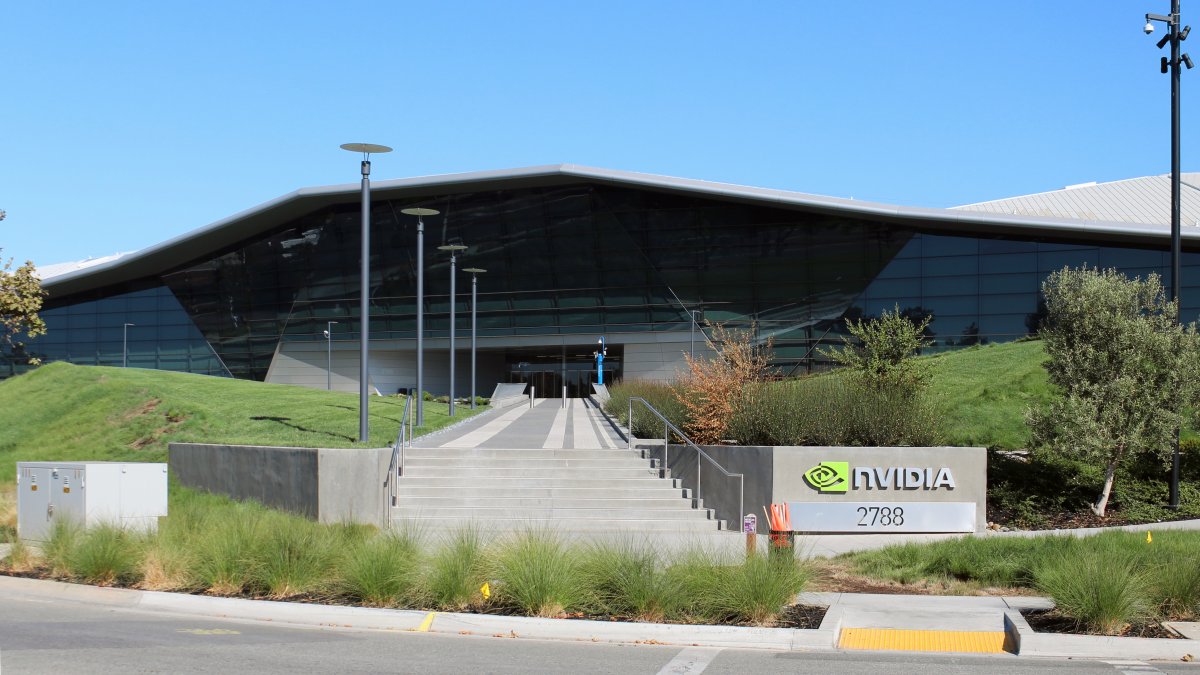
Reflection AI, the Nvidia-backed startup founded by former Google researcher Misha Laskin, is preparing to release its first open-weight model, according to an Axios report published on October 4 that cites people familiar with the plans. The model is described as extremely capable — expected to trail the best American frontier systems at launch, but to compete directly with the strongest open-weight models coming out of China.
The enterprise pitch, per the report's sources: companies will be able to download the model, customize it with their own high-quality data, and in some cases reach results comparable to the most expensive frontier AI systems at a fraction of the cost. That is the same value proposition that has made Chinese open-weight models popular with cost-sensitive buyers — a market segment where, until now, almost every top open model has come from China.
The compute bill behind the effort is remarkable even by 2026 standards. Since July, Reflection has reportedly paid Elon Musk's SpaceXAI about $150 million a month for capacity at the Colossus data center, on top of a separate $1 billion compute agreement with cloud provider Nebius. Nvidia, which per earlier reporting has invested around $800 million in the company, has an obvious interest in the experiment succeeding.
The timing may not be a coincidence. Axios's sources say several other American labs plan to release open-weight models this month — a potential US open-source renaissance after two years in which the open-weight frontier was effectively ceded to Chinese labs. The report adds that Commerce Secretary Howard Lutnick at one point weighed direct government funding to jump-start exactly this kind of effort, and that Reflection has been briefing officials in Washington ahead of the launch.
Expectations should be calibrated. Laskin, who previously worked at Google, has been candid that the company's models are not yet at the state of the art. "They're a bit like rockets," he told CNBC. "To build a big rocket, you need time." No release date, license or benchmark numbers have been published, and Axios's account relies on unnamed sources — this is reporting about a forthcoming release, not an announcement.
The market logic, however, is visible in the numbers. Research platform AlphaSense found that mentions of "open-weight" or "open-source" models in US corporate earnings calls and investor meetings in August and September 2026 ran about six times higher than a year earlier, as enterprises re-examine AI costs and mix cheap open models with expensive frontier ones depending on the task. Uber, for instance, burned through its entire 2026 AI budget in four months on employee coding-agent usage, and promptly capped it.
If Reflection ships something competitive, the immediate consequence would be pricing pressure on the closed frontier — and a second front in the AI race that is about cost per unit of useful work rather than leaderboard positions. The $150 million monthly compute bill is itself a data point: the open-weight game is no longer a hobbyist's corner of the industry. It is now a capital-intensive contest that only well-funded players can enter.
Reflection's ambitions reach past a single weights drop. Its pitch is what it calls an "AI factory": an institution supplies its own data, runs Reflection's models and brings its own compute, instead of renting a closed frontier API. Hedge funds and trading firms — institutions sitting on closely guarded data — are the early targets. The concept is already being tested in South Korea: in March 2026 the company signed a memorandum with Shinsegae Group to build a 250 MW AI factory running Reflection models on Nvidia chips — the template for the sovereign-AI deployments it is now pitching in Washington.
Comments (0)
Log in to join the discussion
Log InNo comments yet