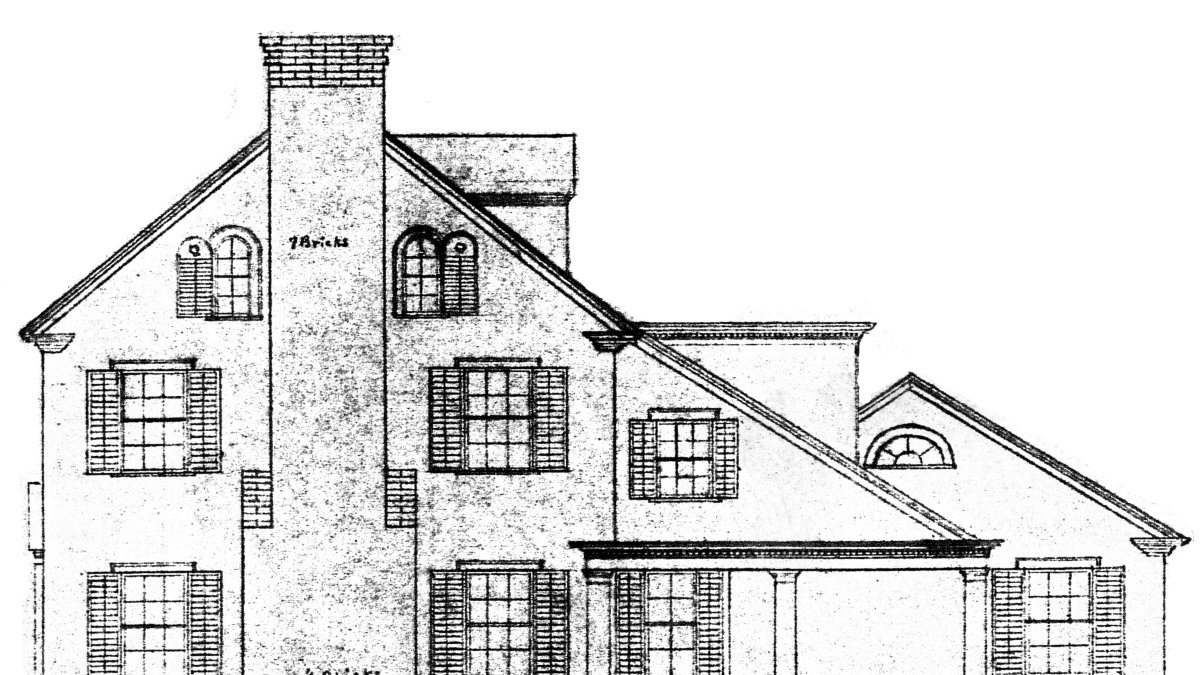
Blueprints AI, a Santa Monica startup selected for the TechCrunch Disrupt 2026 Startup Battlefield 200, is taking on one of the most paperwork-heavy corners of the built world: the architectural construction documents that buildings need before anyone will issue a permit. The company says its software can turn a 2D sketch or PDF into code-compliant, permit-ready blueprints in minutes, and its second-generation version goes public this week at Disrupt in San Francisco.
The idea is two decades old. Founder Al Drams, an architect following his parents and grandfather into the profession, wrote his college thesis on software that could generate design documents for school buildings, but the technology did not exist. When ChatGPT arrived in late 2022, the idea suddenly became buildable, and within six months he had the concept running; he incorporated Blueprints AI in 2025 with co-founder Coco Cao, a Hong Kong-trained data scientist who handles commercial strategy.
The training data is unusually literal. The models were trained on eight years of approved drawing sets from Drams Architects, the design and construction firm Drams still runs, which means the system learned from documents that actually passed plan check. The first-generation product produces architectural construction documents and costs between $3,200 and $8,500 per month depending on plan, with custom enterprise pricing available.
Version two is the bigger bet. Starting from a description or a sketch, it generates blueprints for every discipline of a building at once, architecture, structural, mechanical, electrical, plumbing and interior design, and lets users make changes interactively. Critically, a single design change propagates through the entire project and is checked against local building codes, addressing the version-control nightmare that in conventional practice turns one client edit into weeks of redrawing. A third version in development will add structural analysis and electrical panel design.
The founders are careful about the licensed-professional boundary: the software does not replace architects, and licensed professionals still review and seal documents before permit submission. Their pitch is about time allocation. Drams estimates architects spend about 80 percent of their time on drafting and 20 percent on design, and he wants to flip that ratio, a company-provided figure but one that matches the industrys own complaints.
The target market is two-fold: architecture, engineering and design firms, and developers and real estate owners who commission buildings. If the code-checking holds up under plan-reviewer scrutiny, the startup points at a genuine bottleneck, permit documentation is a major reason housing and commercial projects sit in queues, and the timing is notable: generative AI has already rewritten code and contracts, and buildings, where errors are expensive and regulated, may be the next document class it conquers.
Comments (0)
Log in to join the discussion
Log InNo comments yet