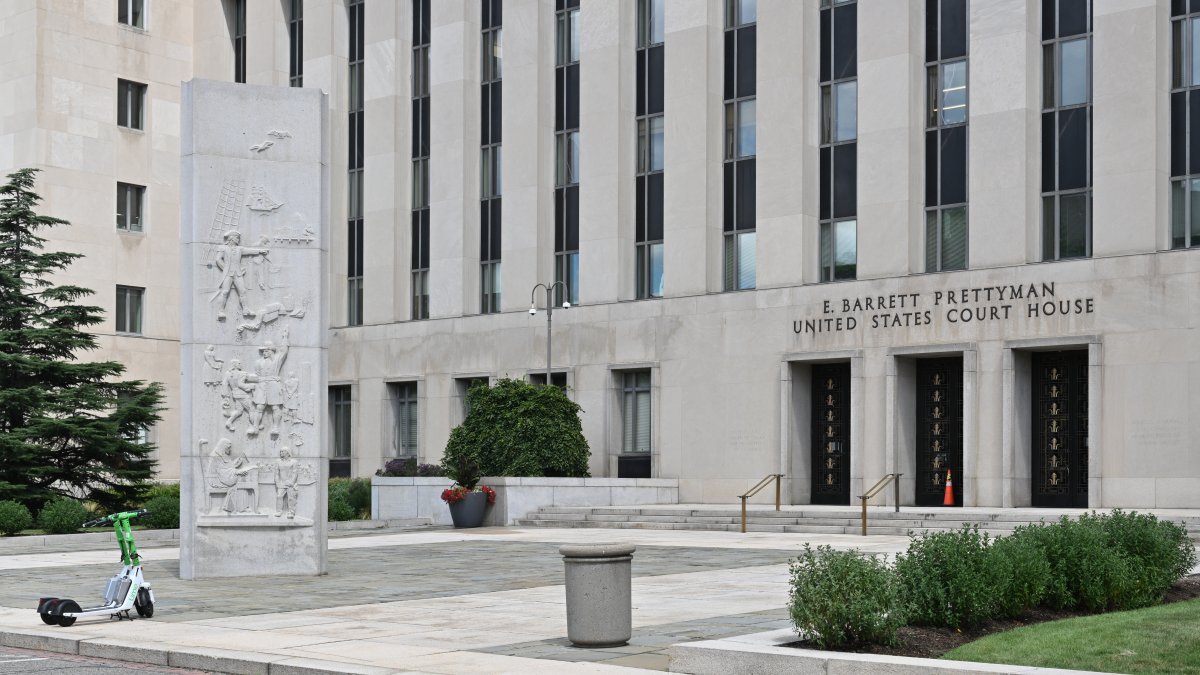
US District Judge Amit Mehta has dismissed the antitrust lawsuits brought by education company Chegg and Penske Media, the parent of Rolling Stone, Variety and The Hollywood Reporter, over Google's AI Overviews - the AI-generated answers that sit atop search results and often remove the need to click through to publishers' sites. The rulings, handed down this week in Washington, remove the most direct legal threat publishers had mounted against Google's AI search transformation.
The two suits, filed last year, accused Google of abusing its search monopoly by forcing publishers to supply content for free so it could build AI Overviews, while the same answers starved those publishers of the traffic their business models depend on. Judge Mehta was already the judge who presided over the government's landmark search-monopoly case against Google, giving the dismissals extra weight.
The core of the ruling is a distinction between expectation and agreement. Publishers argued that an implicit social contract governs the web: content is provided freely in exchange for search traffic. Mehta rejected that framing, holding that an expectation of traffic is not a legally binding agreement, and that no formal contract was breached. Accepting the publishers' theory, he reasoned, would imply Google has agreements with billions of websites - an impractical and legally untenable position.
The court also treated search results and AI Overviews as distinct offerings, and found that crawling publicly available websites remains a fundamental aspect of search engine functionality. In other words: Google's evolution into an answer engine is innovation, not predation, and current antitrust law offers no remedy for a revenue model built on rented traffic.
The economics behind the case are stark. Chartbeat data cited during the dispute showed Google search traffic falling about 40% year over year across its publisher network. Chegg, whose homework-help business was among the first publicly wrecked by AI answers, has watched its market value collapse. And this week's rulings land just as Google runs its AI Contribution Pilot, paying roughly 100 publishers for AI answers in a program where most participants receive less than 0.1% of their advertising revenue.
For Google, the dismissal is a clean sweep in the first major publisher antitrust challenge to AI search, and it comes on top of a mixed but survivable record elsewhere: a federal judge in Virginia declined to force a breakup of its ad tech business, while European publishers pursue multi-billion-euro damages claims in Amsterdam and London under a different legal pathway.
The deeper lesson is that courts will not rescue the open web's traffic economy - if publishers want protection from AI harvesting, they will have to get it from lawmakers, licensing deals, or technical walls. Expect the next round of this fight to move from the courtroom to Congress and to content licensing tables, where the question shifts from "is it legal?" to "what is content actually worth?"
Comments (0)
Log in to join the discussion
Log InNo comments yet