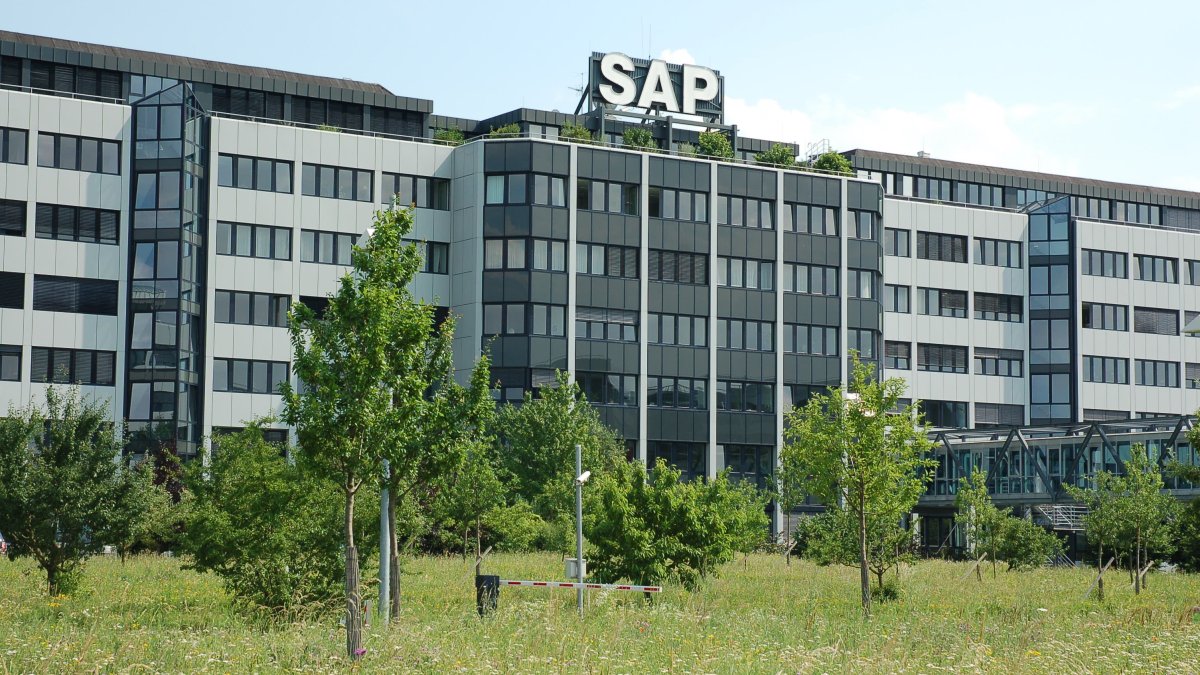
SAP, Europe's most valuable software company, is preparing a restructuring that would eliminate at least 10,000 jobs — at least 9 percent of its global workforce of roughly 111,000 — according to people familiar with the plan cited by Bloomberg on November 26. Every division has been asked to identify areas that could be cut, with the product and engineering organization and the sales unit described as the particular focus of the exercise. The final number is not settled: discussions are still ongoing and the total could change after negotiations with employee representatives.
The company stopped short of confirming the plan. In a statement, SAP said only that it continually reviews its organizational structure to ensure it stays aligned with its strategy and customer needs. Reuters, which also reported the story, said it could not independently verify the figures. European investors reacted mildly: SAP shares closed up about 2.3 percent in Thursday trading.
The restructuring is the operational arm of chief executive Christian Klein's "AI-first" strategy, under which SAP wants to embed AI tools directly into the enterprise applications it sells rather than sell them as add-ons. That push has not been smooth: earlier AI offerings drew a lukewarm reception, and some customers questioned whether the tools justified their price. Klein has reorganized the executive board twice this year, and two of its six members will leave in March. Product chief Muhammad Alam did not renew his contract, with most of his responsibilities absorbed by Klein, while sales chief Thomas Saueressig announced last week that he is leaving to become chief executive of Ionos Group.
If the plan proceeds on the scale reported, it would repeat a playbook SAP ran only two years ago. The 2024 restructuring, announced alongside full-year results in late January, covered roughly 10,000 positions and cost about 3 billion euros ($3.3 billion). It was executed mainly through voluntary departures and retraining rather than direct layoffs, and because SAP kept hiring for new AI-oriented roles, total headcount actually edged up from about 109,900 to more than 111,300.
Chief financial officer Dominik Asam signaled the direction last week at a Morgan Stanley conference, saying headcount had risen slightly this year and that he would be "very surprised" if that trend did not reverse. SAP has already been tightening spending: since July, new hiring has been restricted mostly to core AI roles, internal travel unrelated to AI development has been suspended, and the company has been pressing suppliers for savings.
Labor politics will shape how deep the cuts actually go. In October, SAP's German works council reached an agreement extending employment protection at the German parent company through the end of 2028, and Germany remains the company's largest employee base. The most likely outcome, based on the 2024 precedent, is a nominal reduction larger than the net headcount decline, with the financial impact landing in restructuring charges rather than a smaller payroll.
The financial context makes the plan notable rather than desperate. SAP's third-quarter revenue rose 13 percent year over year to 10.27 billion euros, its first quarter above the 10 billion euro mark, with cloud revenue up 26 percent to 6.67 billion euros. But the AI transition is expensive, and Klein's board reshuffle suggests management believes the current structure cannot deliver AI-native products fast enough.
For the wider software industry, the message is blunt. The same week that AI-infrastructure stocks convulsed public markets, the largest enterprise software company in Europe is preparing its second 10,000-position restructuring in three years, explicitly tied to rebuilding its product and sales machine around AI. An official announcement, if the plan is confirmed, would most likely come with SAP's full-year results in late January, following the company's long-standing habit of bundling reorganizations with earnings.
Comments (0)
Log in to join the discussion
Log InNo comments yet