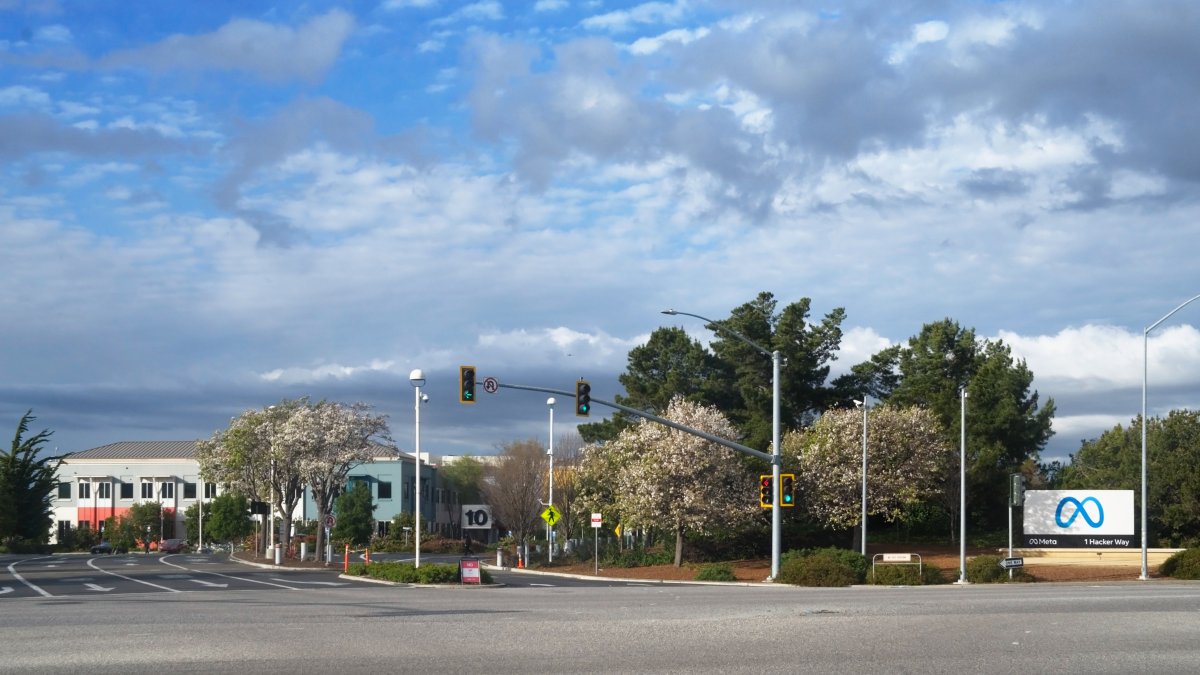
The market's verdict on Meta's AI spending spree is in, and it is a fivefold yes. The company's expanded 25 billion dollar Class A common stock offering drew demand of about five times the shares available and priced at 625 dollars a share, a roughly 2.7 percent discount to Friday's close, according to reports citing people familiar with the deal. It is the anchor piece of an equity program now sized at roughly 98 billion dollars, one of the largest share sales ever assembled.
The allocation tells you who is buying. More than half the shares went to long-term investors and existing shareholders, and the fifteen largest placements together took about 70 percent of the deal, per Bloomberg-sourced reports. The companion tranche, 250 million depositary shares representing 6.50 percent Series A mandatory convertible preferred stock priced at 50 dollars each for about 12.5 billion dollars, also drew demand several times the offer size; those shares convert forcibly on August 15, 2029. Morgan Stanley and Goldman Sachs led both offerings, with an initial forward price of about 622.92 dollars on the common stock.
The structure is deliberate. Meta is funding its buildout with equity rather than debt: the two priced tranches total roughly 37.5 billion dollars, and a separate at-the-market share-sale program of up to 60 billion dollars is expected to begin in the first quarter of 2027. Mandatory convertible preferreds let the company raise now while deferring part of the dilution, and the ATM program keeps a standing tap on the market without a new underwritten deal each time. All proceeds are earmarked for AI infrastructure and the company's personal superintelligence program.
Meta's own suppliers are among the buyers. NVIDIA committed 3 billion dollars and AMD 1 billion dollar to the equity sale, with Broadcom also participating; the three chipmakers said they expect to commit up to 5 billion dollars combined, each pairing its check with expanded hardware partnerships around Meta's Muse AI assistant.
Investors' enthusiasm for the paper did not extend to the stock on the day. Meta closed Tuesday down 1.64 percent at 620 dollars, below the issue price. The company's third quarter showed why it needs the cash: Meta spent 34.9 billion dollars on data centers and equipment, more than its operations generated, and booked a 9.89 billion dollar legal charge. Capital expenditure guidance for 2026 stands at 135 to 145 billion dollars, nearly all of it AI infrastructure.
The AI bet the money funds is already visible in product. Meta's Muse personal AI assistant anchors its agent strategy, and management has claimed the Muse Wonder model is competitive with ChatGPT and Claude on coding tasks - a company claim, not an independent benchmark. The raise closes the gap between that ambition and a cash flow statement that can no longer cover it alone.
Five-times demand for the largest equity sale in tech history is the strongest signal yet that institutions will still fund the AI buildout at scale, even after weeks of wobbly AI-adjacent credit and equity markets. But the discount, the drop below the issue price, and the concentration of the allocation in fifteen accounts are equally a message: the money is there, but it is selective, and it is priced.
Comments (0)
Log in to join the discussion
Log InNo comments yet