A 54-year-old North Carolina man has been sentenced to 18 months in prison for a streaming fraud scheme built on hundreds of thousands of AI-generated songs and thousands of bot accounts, in the first US criminal prosecution of AI-assisted streaming fraud. The Justice Department said Tuesday that Michael Smith, who pleaded guilty in March 2026 to conspiracy to commit wire fraud, will also serve two years of supervised release and forfeit $8,091,843.64 in proceeds.
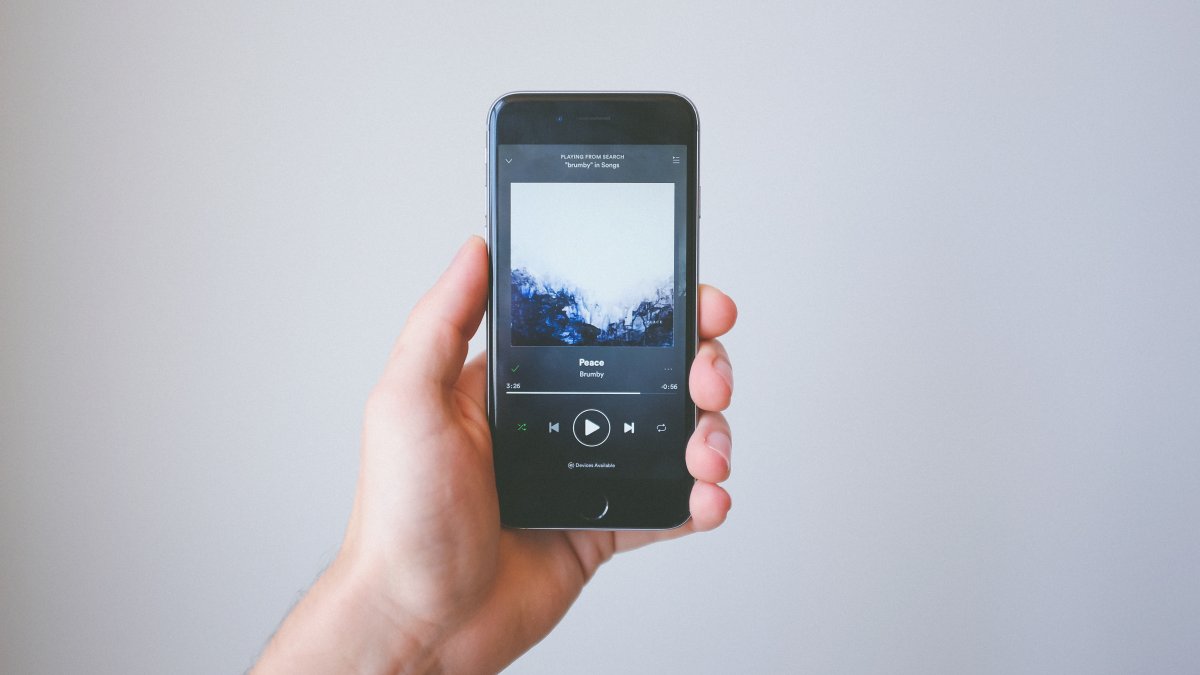
The scheme ran for seven years. Starting in 2017, prosecutors say, Smith used fake email accounts and fraudulently obtained debit cards to create thousands of fraudulent accounts on services including Amazon Music, Apple Music, Spotify and YouTube Music. He then deployed software that pushed those bots to continuously stream songs he claimed to own - tracks that the DOJ says were AI-generated. At its peak, as many as 10,000 bot accounts were operating simultaneously, with the billions of automated streams deliberately spread across hundreds of thousands of songs so that no single track would trip fraud-detection thresholds.
The scale was enormous by any measure. In April 2023 alone, Smith's fake songs were fraudulently streamed 80.9 million times - while Taylor Swift's entire catalog drew 9.3 million streams that month, according to the DOJ. By the time of his 2024 arrest he had created hundreds of thousands of AI-generated songs.
The sentencing was a negotiated middle ground. Federal prosecutors urged at least 46 months; Smith's lawyers argued for probation, saying the DOJ was making an example of one man for "the ills of an industry" and noting he had been offered a $5,000-a-month job doing audio production, mixing and mastering. The court split the difference: 18 months, plus the full forfeiture.
The victims are not abstract. Streaming platforms pay royalties from a pro-rata pool, so every fraudulent stream dilutes the share owed to real artists - the DOJ argued Smith's scheme reduced royalties across the board. "By flooding music streaming platforms with automated bots in the place of consumers, and fake songs in the place of creativity, Smith robbed millions in royalty payments from genuine artists and their fans," said US Attorney Jamie McDonald, adding that the office is committed to "protecting the public from those who use super intelligence for fraud."
Artificial streaming has been a rallying issue for smaller artists for years, and the case arrives as platforms absorb a rising volume of AI-generated tracks, fake artists and unauthorized voice imitations. In 2025 a group of musicians accused Spotify of turning a blind eye after an analysis suggested Drake may have benefited from billions of fake streams - an accusation Spotify disputed.
The template this case sets is straightforward: cheap music generation plus cheap bots turned royalty arithmetic into an attack surface, and wire-fraud conspiracy proved to be the charging hook that fits. Expect platforms to harden detection around account-creation patterns and stream distribution curves - and expect the next defendant to have fewer eyes on them than the man who out-streamed Taylor Swift.
Comments (0)
Log in to join the discussion
Log InNo comments yet