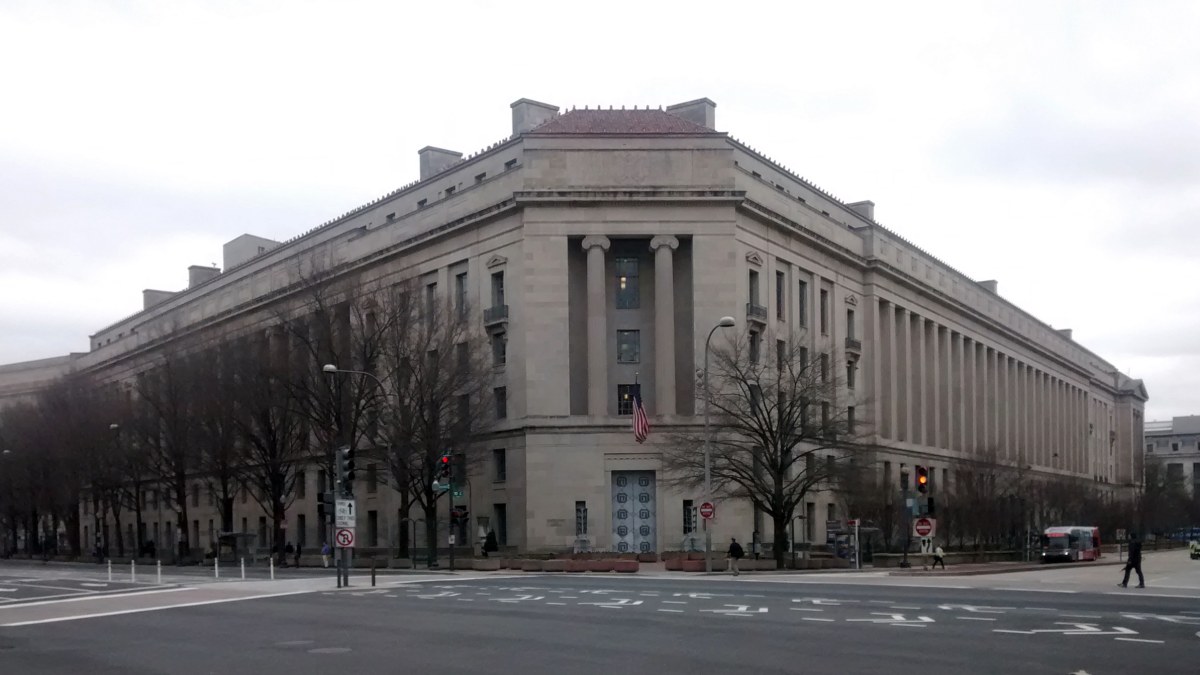
Federal prosecutors in Manhattan have unsealed charges against three foreign nationals accused of running one of the largest known AI-impersonation fraud operations, stealing more than $129 million from companies around the world by cloning the voices and, at times, the images of corporate executives and law firm attorneys. The indictment against Jacob Soall, 41, Sharon Hazan, 54, and Guy Sheetrit, 42, was unsealed on November 5 by the U.S. Attorney's Office for the Southern District of New York.
According to the indictment, the scheme ran from July 2024 to February 2026 and targeted thousands of companies, focusing on accounting departments — the people authorized to move large sums. The playbook had two layers. First, an email purporting to be from the CEO would ask an employee to help with a confidential financial transaction. Then the fraudsters would arrange a phone or video call, using AI to mimic the executive's voice or image, and instruct the employee to contact lawyers at a major international firm who were supposedly handling the deal.
The second layer is what made the deception hard to break: the group impersonated those lawyers too. Soall primarily posed as UK-based attorneys and kept a handwritten script titled "Lawyer Call" to sound convincing on the phone, including language designed to keep victims from discussing the transaction with colleagues. The fake attorney would then direct the employee to wire large payments to bank accounts controlled by conspirators across Spain, Portugal, Greece, the UAE, Singapore, Austria, Slovakia, China, and elsewhere. Once the money arrived, it was converted into cryptocurrency to obscure its origin before being distributed.
Named victims show the breadth of the targeting: $4,829,580 from a hospital system headquartered in Missouri, $2,684,580 from a Rhode Island bank, $2,968,497 from a California hospital system, $11,578,474 from a UK fintech company, $4,639,918 from a Massachusetts mutual fund company, and $5,242,747 from a Florida pet food company, among others. All three defendants face charges including conspiracy to commit wire fraud, wire fraud, money laundering conspiracy, and aggravated identity theft, carrying maximum sentences of up to 20 years per count.
The three were arrested between June and September — Soall and Hazan in Spain, Sheetrit in the UK — and extradition requests are pending. Hazan, prosecutors noted, was previously convicted in Manhattan federal court in 2008 of conspiracy to commit bank fraud, and allegedly bragged about having laundered more than $400 million in recent years. U.S. Attorney Jamie McDonald warned that while AI offers tremendous potential, the public should recognize that some will use the technology for criminal goals.
The case is a blunt data point on how voice-cloning and video-impersonation tools have industrialized business email compromise. The old BEC playbook relied on urgency and authority in text; this one added a live AI-rendered voice on the phone and a follow-up "attorney" to close the verification loop that companies train employees to perform. The multi-step, cross-party callback check — call the executive back on a known number, verify the deal directly with the law firm's known contacts — remains the control that defeats it, because the fraudsters' strength was impersonation, not access to real corporate channels.
Comments (0)
Log in to join the discussion
Log InNo comments yet