Formic, the Chicago-based robots-as-a-service company, has raised $50 million in growth capital: a $40 million Series B led by Mercato Partners, with participation from Light Ray Ventures, Lightscape Partners, Citi and other investors, plus $10 million in asset-backed financing from S2G Investments. Ryan Sanders, managing director at Mercato, joins Formic's board.
The company's model is deliberately unglamorous. Formic bundles the robot, deployment software, field operations, maintenance, financing and performance monitoring into a single recurring monthly payment, takes responsibility for whether the system actually works, and requires no upfront capital from the manufacturer. Founder and CEO Saman Farid describes it as a commercialization platform for physical AI rather than a robotics company.
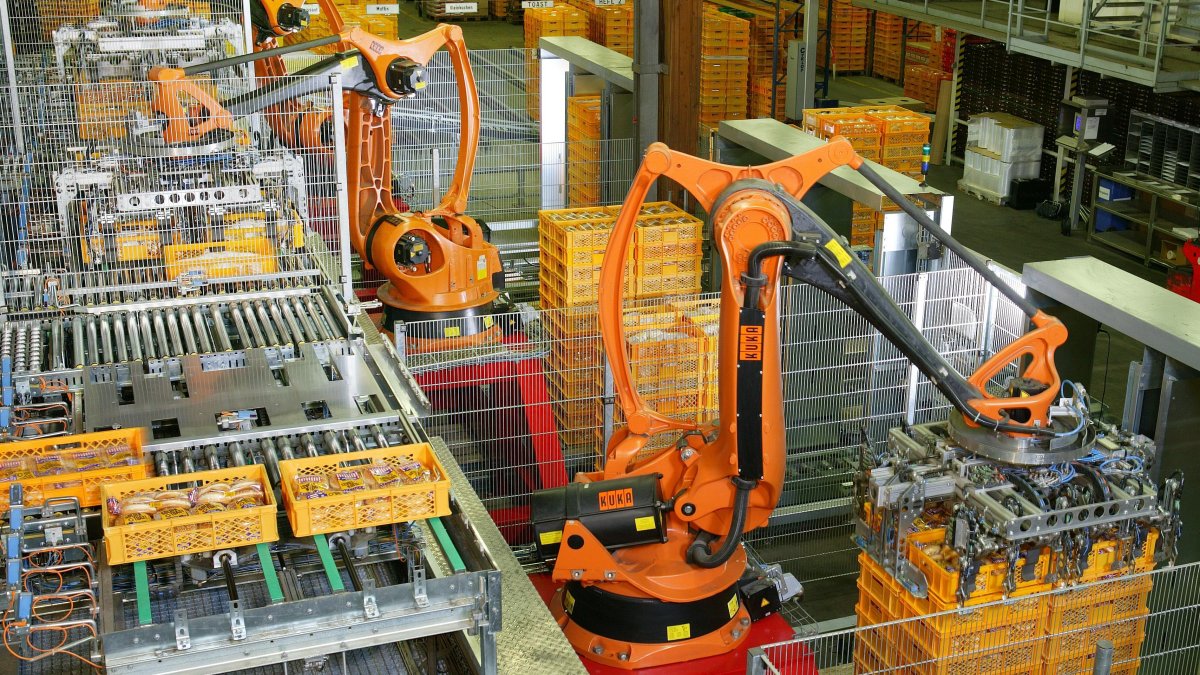
The operating record the company cites is substantial, though it is self-reported and not independently audited: more than 750,000 hours of live production across more than 100 facilities in over 30 states, a claimed 99.6 percent fleet uptime, a 97 percent customer renewal rate, and deployment cycles roughly three times faster than a year ago. Applications span palletizing, case packing, machine tending and kitting in food and beverage, consumer packaged goods, chemicals, aerospace and defense.
The new money funds a shift from task-specific machines to general-purpose robotics. As foundation models and capable hardware mature, Formic wants the same platform to run a wider range of robots and increasingly complex tasks, starting with metal fabrication and deepening work in aerospace, space, defense, medical and energy.
The strategic asset, in Formic's telling, is the data. Every deployed robot generates a record of tasks, operating conditions, performance and corrective actions, and the company argues that feedback loop compounds as the fleet grows, training the next generation of general-purpose systems on real factory conditions rather than lab demonstrations.
The raise also reads as a bet on where value sits in physical AI. "As robots get smarter, the bottleneck moves from the lab to the loading dock: deploying, servicing and financing robots in real plants," Sanders said in the announcement. Investors have poured money into robot brains and humanoid bodies; Formic's pitch is that the boring middle layer, the part that keeps a machine running 99.6 percent of the time in a real plant, is what manufacturers actually pay for. The 99.6 percent figure is the one to watch, because the entire recurring-revenue model depends on it being real.
Comments (0)
Log in to join the discussion
Log InNo comments yet