London-based Wayve, Stellantis and NVIDIA announced a collaboration with the French government on Thursday at the Assises du Véhicule Autonome in Paris, with the stated aim of making France the base for an autonomous-vehicle ecosystem that spans the full value chain, from silicon to finished vehicles. French Transport Minister Philippe Tabarot appeared alongside the companies, framing the deal as evidence that regulators and industry can move together rather than in sequence.
The technical stack divides the work along each partner strength. Wayve contributes its AI Driver, an end-to-end embodied driving system that learns from real-world experience rather than relying on high-definition maps, hand-coded rules or custom sensor hardware. It will run NVIDIA Halos OS on the NVIDIA Hyperion compute and sensor architecture, while Stellantis supplies its L4-Ready vehicle platforms, engineering capacity and manufacturing scale. Stellantis SVP of technology research Anne Laliron said the goal is to accelerate delivery of driving technologies that make mobility safer and more convenient for customers.
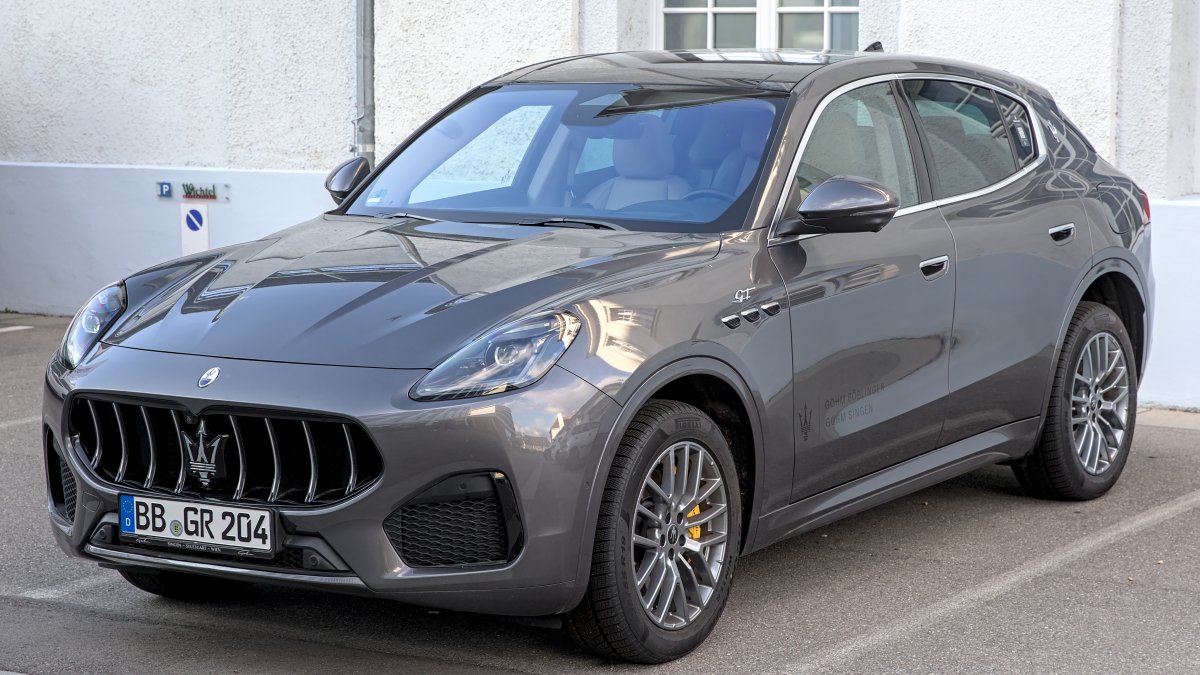
The partnership is an escalation of an existing relationship rather than a fresh start. Stellantis and Wayve signed a strategic technology agreement in May 2026, and on October 9 at the Wave by Vento event in Turin the companies showed Fiat 500e and Maserati Grecale development vehicles running a Level 2++ hands-free, door-to-door supervised driving assistant, going from integration to real-world road testing in under four weeks after an earlier Jeep Grand Cherokee integration earlier in the year. A broader L4-Ready rollout is targeted from 2028, starting in North America.
France brings political weight and a commercial argument. The country hosts one of the largest ride-hailing markets in Europe, and the 2025 AI Action Summit in Paris saw 109 billion euros in AI investment announced. Tabarot said France is committed to adapting its regulatory framework to accelerate autonomous-vehicle development while maintaining strict safety and data-sovereignty requirements, and the companies committed to working through unions, city authorities and mobility stakeholders as deployment moves from trials to real operations.
Wayve VP of autonomous mobility Kaity Fischer called France a natural home for the company expansion, and NVIDIA automotive VP Ali Kani argued that safe autonomous mobility in Europe requires deep collaboration across AI, computing and vehicle engineering. The messaging is consistent: nobody expects to simply import a US or Chinese playbook into European streets.
What happens next is the test. The announcement contains no fleet size, no city list and no revenue commitments, which is normal for a framework deal but leaves the hard questions open: where the first supervised services will run, how French liability law absorbs an AI driver, and whether the 2028 L4 timeline survives contact with certification. If it holds, Europe gains its most credible answer yet to the American and Chinese robotaxi buildouts; if it slips, the demo-to-deployment gap that has swallowed previous European AV programs will take the blame.
Comments (0)
Log in to join the discussion
Log InNo comments yet