The physical cost of the AI buildout has a new number attached to it. A report from the Houston Advanced Research Center (HARC) warns that a rush of data centers in Texas — the state that has become ground zero for the physical infrastructure behind generative AI — could bring air pollution back to levels not seen since the 2000s. Researchers modeled three projections for data center electricity demand and found that if every planned project connects to the Texas grid and runs on the anticipated generation mix, fine particle pollution from the power sector would more than triple within five years, reaching its highest level since 2006.
The other pollutants move too. Smog-forming nitrogen oxide emissions would rise 136 percent, approaching levels last recorded in 2004, while carbon dioxide would climb 90 percent above 2025 levels. In five years, the study concludes, that would be enough pollution to wipe out decades of air-quality gains built up through coal retirements, renewable buildout and stricter emissions controls across the transportation and industrial sectors.
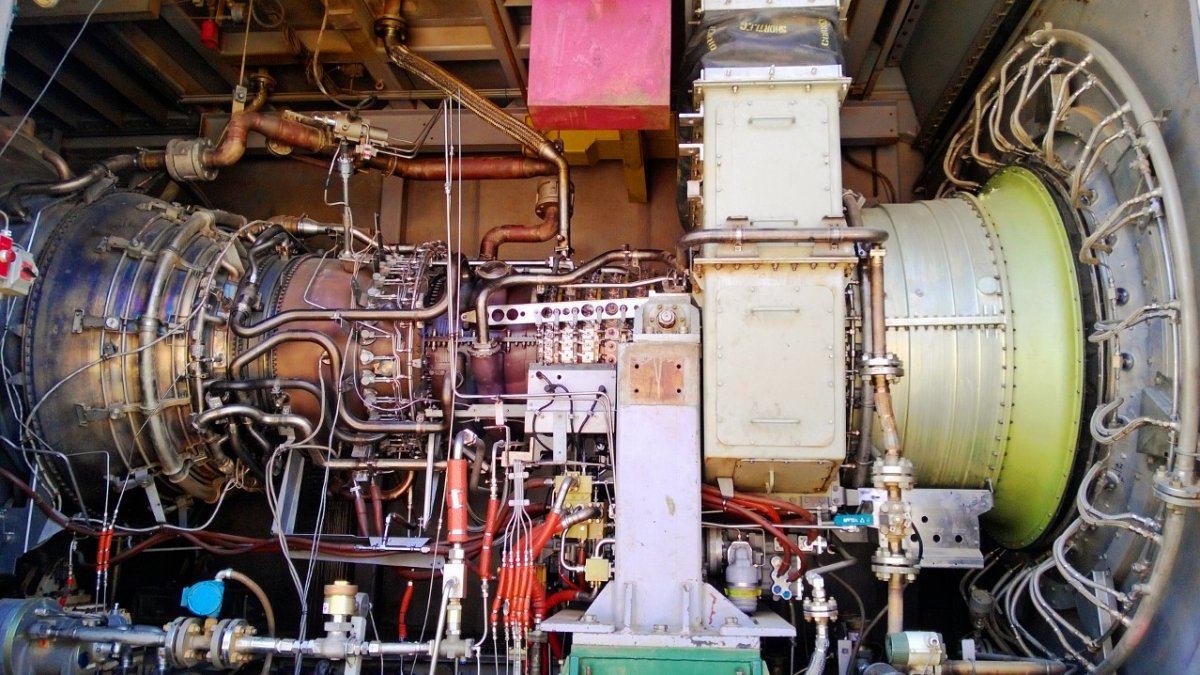
Texas is the leading US data center market by capacity, with 26 gigawatts existing or under construction, and the pressure is not abstract. A separate Wood Mackenzie analysis published in March found the state is bracing for four times more proposed data center capacity running on onsite power than any other. Developers are turning to onsite generation — often less efficient gas turbines — to skip long grid-interconnection queues, and the study counts at least 32 natural gas plants planned in Texas, more than any other state.
The fork in the road is sharp. HARC calculates that data centers pairing grid power with onsite solar and wind could cut NOx emissions by up to ten times compared with grid-only supply. Building onsite gas engines to avoid interconnection waits does the opposite: those engines emit about four times as much nitrogen oxide as grid power does for the same data center, producing the worst outcomes in the entire model.
"There is a good chance that our children and grandchildren will breathe dirtier air than we did," said John Hall, HARC's chief executive. "The transportation sector, the state, and other stakeholders have been working for decades to successfully bring these [emissions] numbers down, and that progress is now at risk."
The report is careful about uncertainty. HARC ran three different demand projections, and many proposed data center projects are speculative enough that they may never be built. The researchers recommend treating data centers as industrial facilities with significant energy and environmental impact — subject to comparable generation and emissions standards — and requiring developers to disclose electricity consumption, supply sources and emissions so communities can evaluate projects before approval rather than after.
What the study really documents is a shift in where the AI buildout meets resistance. The last two years of backlash ran through zoning boards and power-queue anxieties; the next phase is public health. If the cheapest fast path to power for a data center is a gas turbine next to the servers, and the cheapest clean path is a decade-long interconnection queue, then emissions outcomes in Texas — and in every state copying its playbook — will be decided by permitting choices being made right now, not by model releases.
Comments (0)
Log in to join the discussion
Log InNo comments yet