The electric problem at Oracle's data center empire has a new epicenter. Project Lighthouse, the 1.3-gigawatt mega-campus taking shape in Port Washington, Wisconsin, has had its transmission approval process sent back to square one by the state's Public Service Commission - meaning the power the campus needs cannot even begin formal review until a regulator accepts a rebuilt application. Oracle is the anchor tenant; Vantage Data Centers is the developer; the project is part of OpenAI's Stargate buildout. Total demand: 1.3GW, with roughly 902MW of critical IT load.
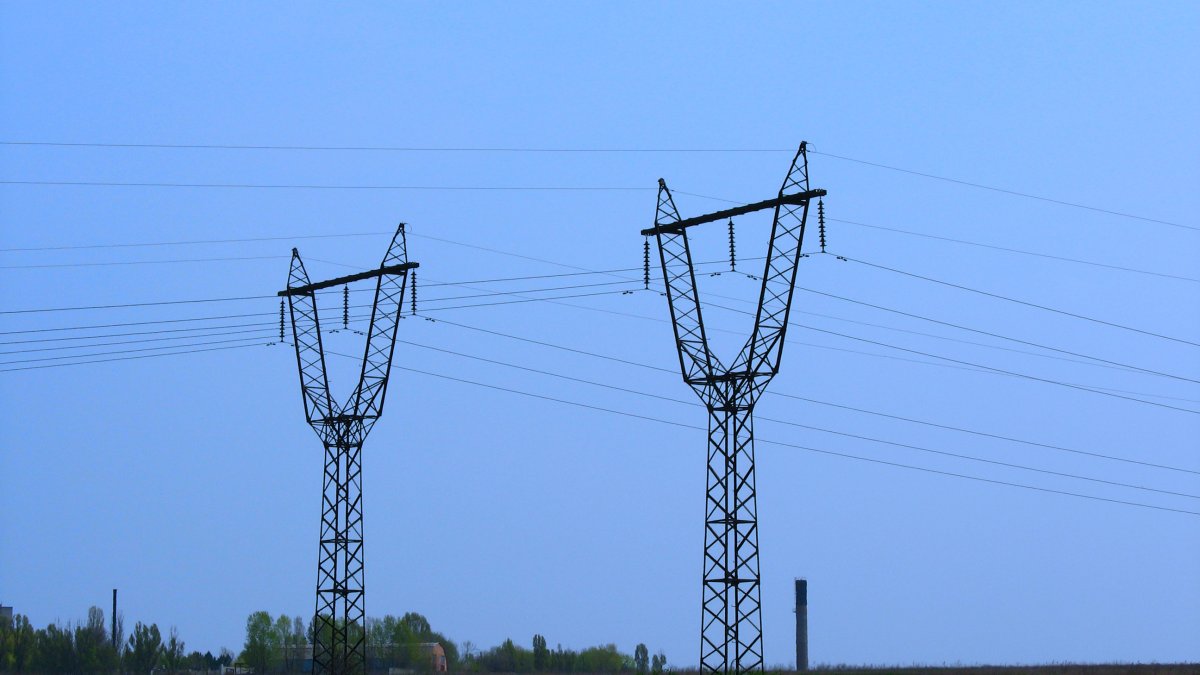
The mechanics are arcane but decisive. The campus depends on American Transmission Co. building a new high-voltage line, which requires PSC approval. ATC's application was deemed complete in December 2025 - and then the company filed 564 supplements and revisions, including new route options and temporary bypass lines. On August 7 the commission unanimously revoked the completeness determination, reportedly the first such revocation in the panel's modern history. Chair Summer Strand said the "scale and volume of changes... created barriers to party and public participation"; commissioner Marcus Hawkins was blunter: "We have strict timelines, but only if the application is complete."
After an administrative law judge found ATC had not complied with an order to itemize its changes, the PSC closed the case on September 10 without ruling on the merits. ATC resubmitted on September 18, and the statutory review clock restarted from zero. The original schedule - construction starting December 2026, completion by the end of 2027, matched to Oracle's promised delivery window - is now formally unworkable.
According to analysis from data center research firm Aterio, the base case for full power delivery has slipped to October 2028, with a bear case of spring 2029. The same analysis puts transmission costs up roughly 75 percent, to between $2.48 billion and $2.72 billion, and cites Goldman Sachs estimates that each month of delay defers some $850 million to $900 million in revenue for the campus. Oracle shares fell 1.8 percent on the reporting day; the company has not publicly commented.
This is the second of Oracle's five core data center campuses to be explicitly flagged for delay risk, after the force majeure declaration at its New Mexico Jupiter project two weeks ago. It also aged poorly for the reassurance Barclays credit strategists offered clients in between: that New Mexico had "no read-across" to other projects. The read-across has arrived.
The systemic lesson is the one Morgan Stanley quantified this week: US data centers face a net power gap of about 34 percent - some 32GW - between 2026 and 2028, and grid interconnection timelines have stretched from roughly two years to more than seven. The AI bottleneck is no longer manufacturing chips. It is connecting them.
Comments (0)
Log in to join the discussion
Log InNo comments yet