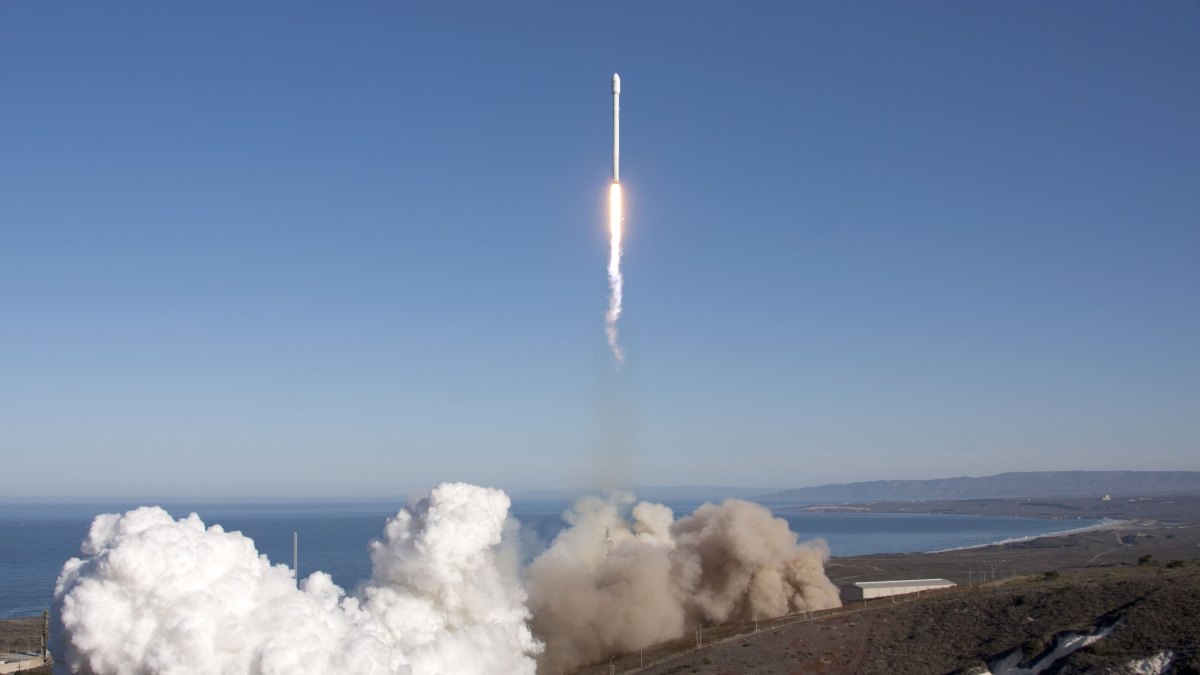
SpaceX is seeking to raise about $40 billion to finance a major purchase of Nvidia artificial intelligence chips, the Financial Times reported Tuesday, with Reuters later confirming the outlines through two sources familiar with the matter. The financing is expected to be led by Apollo Global Management, which would help place the debt with a broad range of institutional investors, and bond giant PIMCO is among a small group of lenders in talks to participate. Apollo and PIMCO declined to comment; SpaceX and Nvidia did not immediately respond to requests for comment.
The structure, per the FT, is about $10 billion in bank loans plus $30 billion in investment-grade debt, with the transaction expected to close in 2027. That is an unusually large single-purpose chip order, and it leans on a credit profile that did not exist a year ago: SpaceX went public in June in a record $86 billion IPO, picked up an investment-grade rating within weeks, and quickly issued $25 billion of high-grade bonds - paper that sold off in the following days as investors digested its rising debt load and capital spending.
What the money buys is straightforward. Musk said on the August earnings call that "we decided to build only on Nvidia because we believe Vera Rubin is the best architecture," and that Colossus 2 - the data center built by xAI, which SpaceX absorbed in February ahead of the IPO - could more than double its Nvidia chip count by December. SpaceX has also been monetizing that infrastructure, signing agreements to rent Colossus compute capacity to customers including Anthropic and Alphabet's Google.
The deal fits a financing pattern the market has started calling circular: Nvidia partnered in August with Apollo, BlackRock, Blackstone, Brookfield, Goldman Sachs and KKR on platforms intended to mobilize more than $500 billion for AI infrastructure, and this site reported this week that Broadcom is seeking $50 billion or more to help OpenAI buy the custom chips the two are jointly developing. Morgan Stanley estimates AI infrastructure will need roughly $1.5 trillion in external financing by 2028 - even as lenders and investors grow visibly more cautious about underwriting the buildout.
Market reaction was muted: SpaceX shares fell 1 to 2 percent in extended trading after the report, while Nvidia rose about 0.5 percent. The caveats matter - the deal is not public, the sourcing is anonymous, and neither company has confirmed anything. But the direction of travel is clear. The largest chip order in history is no longer being paid for out of operating cash flow; it is being structured, tranched and syndicated like a project finance deal, with the world's biggest asset managers now underwriting GPU purchases the way they once underwrote pipelines and power plants.
Comments (0)
Log in to join the discussion
Log InNo comments yet