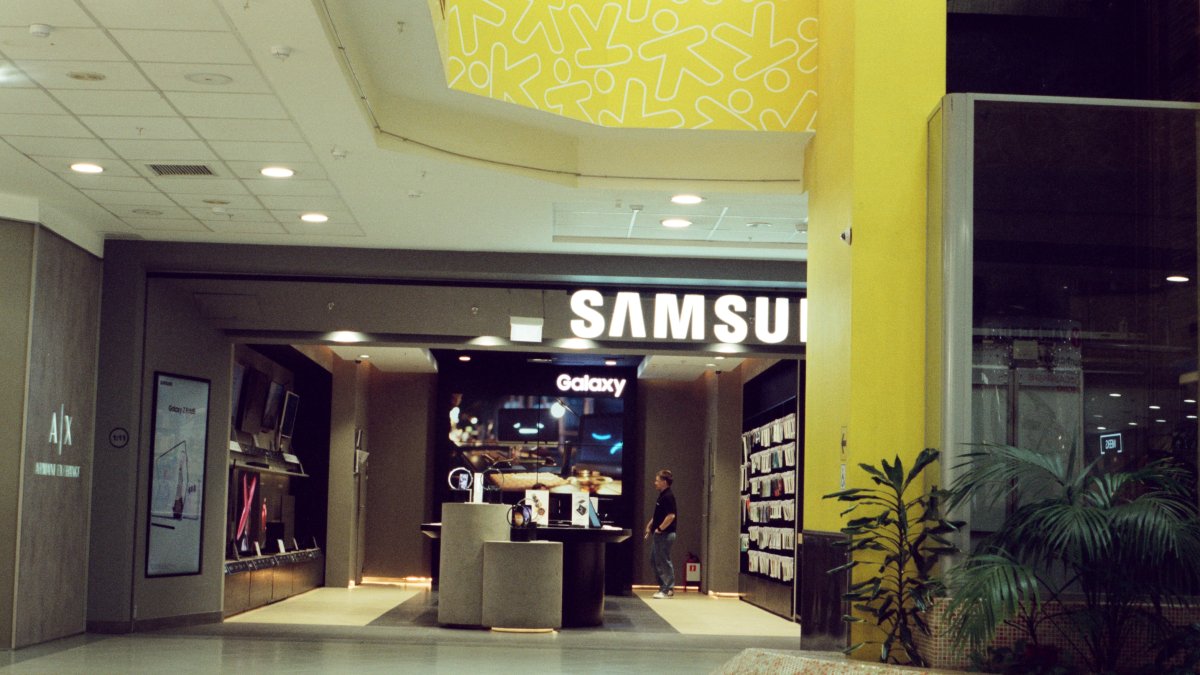
Samsung Electronics said Thursday that it expects to post about 107.4 trillion won (roughly $80 billion) in consolidated operating profit for the third quarter, up 782.5 percent from the 12.17 trillion won it reported a year earlier. Revenue is guided at approximately 195 trillion won, an increase of about 127 percent. If confirmed, it will be the first time any South Korean company has crossed 100 trillion won in quarterly operating profit. The figures are preliminary guidance under K-IFRS - Korean disclosure rules do not allow ranges, so the company published medians of 107.3 to 107.5 trillion won for profit and 194 to 196 trillion won for sales - and the audited breakdown arrives on October 29.
The number landed between two benchmarks: above the LSEG consensus of 106.1 trillion won, below the Bloomberg analyst average of 108.7 trillion won. Revenue told the opposite story, coming in under the FnGuide consensus of 200.6 trillion won. Both figures are still all-time highs, extending a streak of record quarters that began in the fourth quarter of 2025. Samsung posted 57.23 trillion won of operating profit in the first quarter and 89.49 trillion won in the second, meaning 2026 is already past 250 trillion won with a quarter to go.
The engine is memory, not phones. Data-center buyers competing for AI server memory have tightened supply of conventional DRAM and NAND while demand for high-bandwidth memory keeps expanding. Market tracker DRAMeXchange put the average PC DRAM contract price at $26 in September, up $1 on the month and a record, while NAND flash for memory cards and USB drives hit $30.6 - its 21st consecutive monthly increase. Counterpoint Research raised its third-quarter DRAM price forecast to 10 to 20 percent quarter over quarter, from 5 to 10 percent, citing customers ordering ahead. TrendForce expects conventional DRAM to rise another 10 to 15 percent in the fourth quarter and NAND 15 to 20 percent.
High-bandwidth memory is the strategic piece. Analysts estimate Samsung's HBM bit shipments grew close to 50 percent sequentially as it ramps HBM4, its sixth-generation HBM, gradually closing the gap with SK hynix. Research firm Shinhan Securities argued that the transition to HBM4 opens an opportunity to renegotiate prices and lock in solid margins. Company-side figures for division performance are guidance and will not be independently detailed until the October 29 filing.
The same price surge that powers the chip division squeezes the Device Experience business, which buys memory for smartphones and appliances, and a stronger won trimmed the won value of dollar-denominated exports - one reason revenue missed expectations even as profit soared.
Some of the windfall is already committed. In August Samsung announced a buyback of up to $80 billion of its own stock, and earlier this year it averted a strike by agreeing to distribute bonuses worth 10.5 percent of operating profit to semiconductor employees - about 78,000 of its 125,000 domestic workers, worth roughly $370,000 each this year on market estimates. Across the strait, hundreds of workers at a Micron plant in Taiwan voted in favor of a strike on Wednesday after bonus talks collapsed, a sign that labor is now pricing in the memory boom too.
The broader read: the AI buildout has turned memory into a supply-constrained market where price is the adjustment mechanism, and neither Samsung nor its customers expect the gap to close before 2027. The number to watch on October 29 is not the record itself but the DS division margin - and whether handset and PC makers start passing their own memory bills on to consumers.
Comments (0)
Log in to join the discussion
Log InNo comments yet