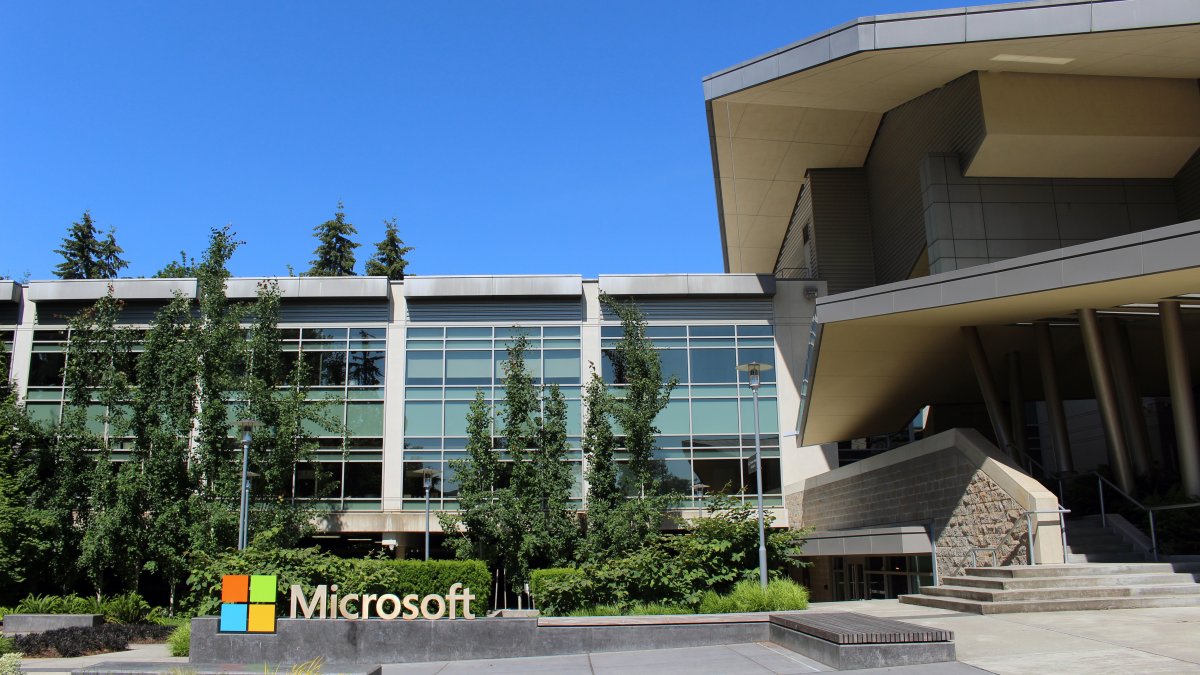
Microsoft said on Monday it is offering voluntary buyouts to roughly 60,000 employees, a pool that covers more than a quarter of the 223,000 full-time workers it reported as of June 30. The offer is open to staff in the United States, Canada, the United Kingdom and India at internal level 70 and below, and the company stressed that it is a time-limited voluntary program, not a layoff notice: nobody is being forced out this week.
Chief People Officer Amy Coleman framed the program in a staff memo as giving employees who are already considering a move a supported exit path, while giving participating organizations another way to adapt their workforce. Eligible employees were told to expect personalized details within hours of the announcement.
The team selection shows where Microsoft sees slack and where it sees growth. Participating organizations include AI experiences, Copilot, finance, human resources, Xbox and Windows and Devices, according to a source familiar with the plan who spoke to Reuters. Marketing, commercial business and security are excluded, and other reporting indicates employees working on data centers, sales, cybersecurity and quantum computing are also outside the offer. Microsoft said that if top performers apply, it will try to retain them in some cases.
This is the third workforce action Microsoft has taken this year. In April it ran the first voluntary retirement program in its history for about 8,750 eligible US employees, and more than 30 percent of them accepted. In July it announced 4,800 job cuts, about 2.1 percent of the global workforce, as it overhauled Xbox and divested up to five studios. Total headcount has been essentially flat at around 223,000 since 2022, the year the company began pouring money into AI and data centers.
The arithmetic behind the buyouts is the capital budget. Microsoft spent $41 billion in capex in the quarter ended June 30, up roughly 70 percent year over year, and guided to about $50 billion for the current quarter. Its forecast for calendar 2026 capital spending is around $175 billion. Investors have grown openly skeptical about whether this outlay produces returns fast enough, and Microsoft reports first-quarter results after the close on Wednesday, with Wall Street looking for quantifiable evidence of AI payback.
The pattern is not unique to Microsoft. Elon Musk demanded employees choose between working extremely hard or taking severance when he took over Twitter in 2022. This year a Google executive reportedly told team members that those not fully committed to AI could take a voluntary exit, and Alphabet has run similar programs across divisions. Meta has cut more than 20,000 employees from its late-2022 peak. A Microsoft spokesperson said it expects a much lower acceptance rate this time than in the retirement program, which makes sense: buyout offers typically appeal to the most senior and most expensive staff.
The interesting signal is what the payroll line is competing against. Every billion that goes to GPUs and land is a billion that does not go to headcount, and a voluntary window lets Microsoft thin the rolls without laying anyone off in public. With earnings days away, the company has handed itself a cost-control tool it can point to when asked what all that AI money is displacing. The answer, increasingly, is people.
Comments (0)
Log in to join the discussion
Log InNo comments yet