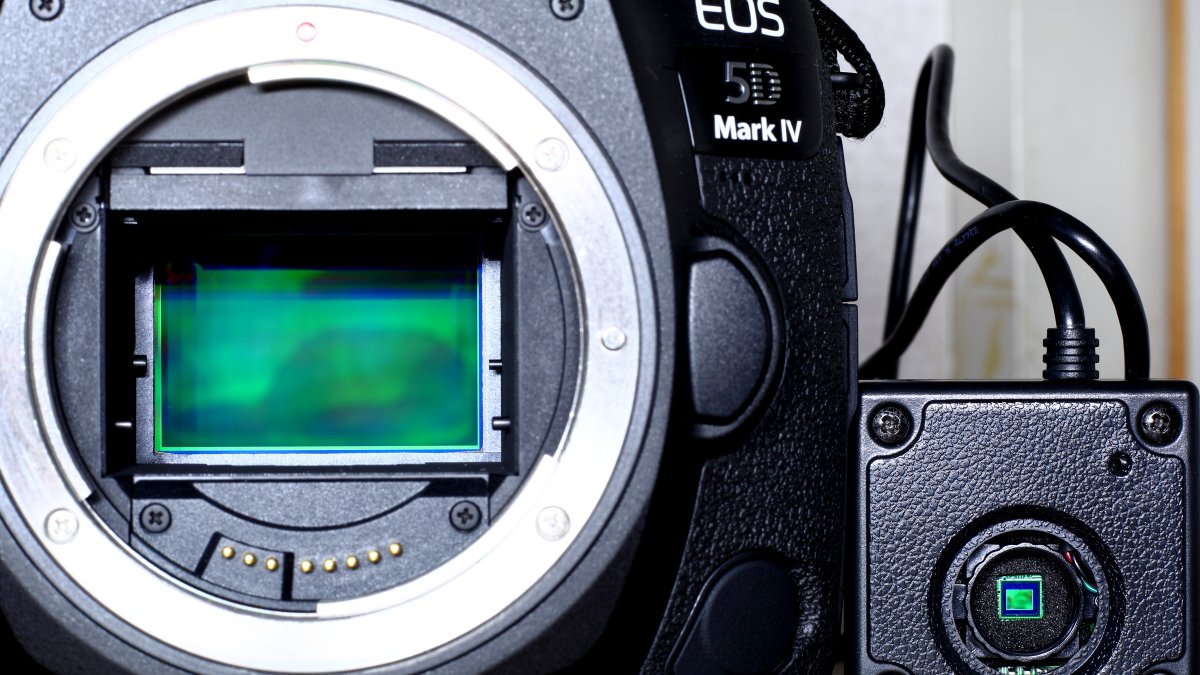
Bharat Semi, a New Delhi-based semiconductor startup, has raised $24 million in a seed round to develop programmable image sensors with artificial intelligence built into the chip itself, according to TechCrunch. The company is betting that the next wave of AI demand will not only come from data centers but from billions of cameras that currently ship visual data to separate processors for analysis.
The startup's core product combines image capture, processing and AI inference on a single programmable sensor. In a conventional system, a camera module pipes raw visual data to an image signal processor and then to a system-on-chip for analysis. By collapsing that pipeline onto the sensor die, Bharat Semi says devices can act on what they see locally, without shipping data over a bus to a dedicated compute chip.
The company claims the single-chip approach cuts overall system cost by at least 70 percent compared with the traditional combination of a standalone image sensor, ISP and SoC. That figure is a company claim, not an independently verified benchmark, and it depends heavily on the workload: simple occupancy detection saves far more than high-frame-rate video analytics.
What makes the round notable for a pre-revenue startup is the customer traction. Bharat Semi says it has already secured design wins with US defense contractor General Atomics and Indian chip company Kaynes Semicon. Design wins do not guarantee volume, but they put the technology into real programs with defined qualification paths rather than leaving it at the demo stage.
The roadmap is staged. The first-generation sensor is already in prototype, and a second generation with more AI capability integrated on-chip is in development. The company targets initial commercial production in 2027, which gives it roughly a year to convert prototypes into manufacturing-ready silicon.
The target markets are pragmatic rather than glamorous: smart home devices, industrial automation, security and surveillance, and aerospace. The company's own examples are telling. An air conditioner equipped with the sensor could detect whether a room is occupied and adjust itself without any cloud connection, and a drone could process visual information without carrying expensive compute hardware on board.
The team carries relevant pedigree: the chief technology officer previously held the same role at OmniVision, one of the world's largest image sensor makers, while the co-founders bring backgrounds in medical technology and consulting or private equity. Bharat Semi is riding India's multi-billion-dollar semiconductor incentive push, which has so far struggled to produce leading-edge fabs but fits sensor fabrication well. Edge vision AI is a realistic niche for India's chip ambitions: less capital-intensive than leading-edge logic, growing fast on the demand side, and increasingly contested as every camera becomes a potential AI endpoint.
Comments (0)
Log in to join the discussion
Log InNo comments yet