Ohio was supposed to be one of Amazon's safest bets in the AI buildout. Instead it has become the clearest case of the backlash that followed the November 3 midterm elections: the Financial Times reported on Tuesday that more than $17 billion of Amazon's planned data center investment in the state is now at risk after voters approved local restriction measures, with three Amazon projects affected and roughly 1.8 gigawatts of electrical load hanging on the outcome. The figure covers land and construction, not the chips and equipment that would go inside.
The votes were lopsided. Ohio had more data center questions on its ballots than any other state, with 21 measures across 18 municipalities, and by one tally from MLQ.ai voters backed limits in 40 of 41 local measures nationwide. In Sunbury, voters approved a charter amendment barring data centers above 25 megawatts with 78.6 percent support, according to local outlet Start Midwest, alongside a moratorium that runs through January 31, 2027. That cap functions as a de facto ban on modern AI training facilities, which routinely plan for hundreds of megawatts, and it directly threatens a roughly $2 billion AWS campus planned for the Sunbury Business and Technology Park.
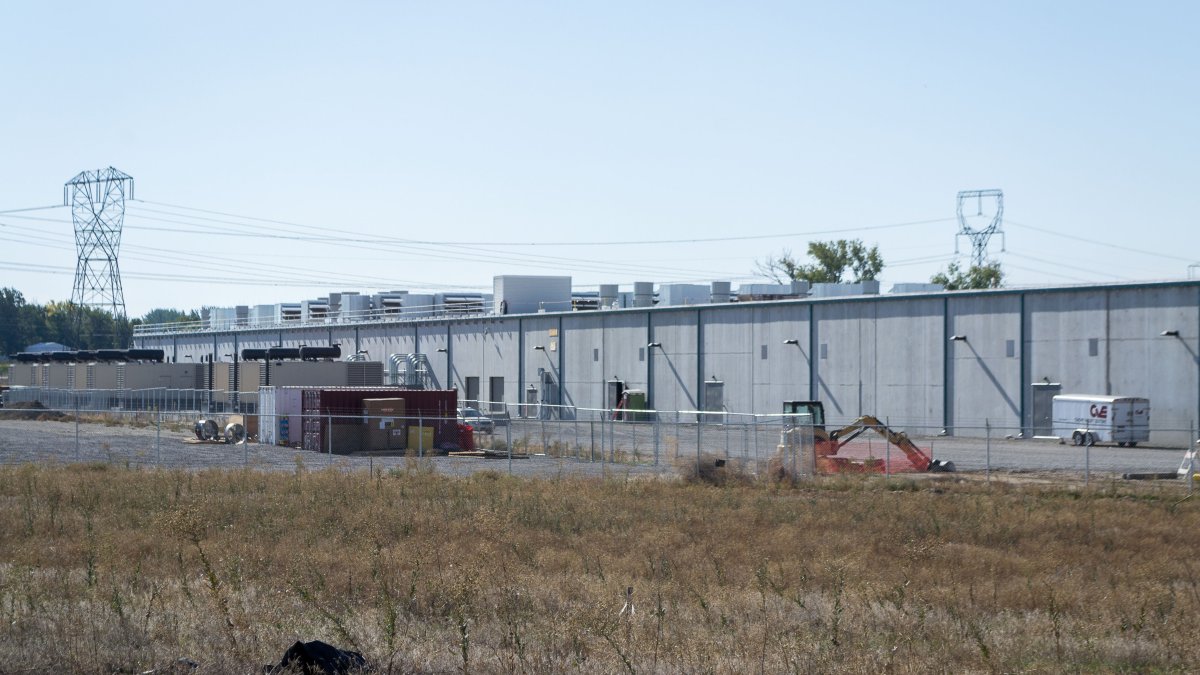
Trenton is the sharpest fight. Voters there passed Issue 17 with about 80 percent support, barring facilities of 25 megawatts or more inside city limits and blocking the city's plan to annex land for a separate 1,000-megawatt Amazon campus. But Prologis, the developer of a 250-megawatt AWS data center already under construction in Trenton's industrial park, sued the city in federal court on November 12, arguing the ban cannot retroactively reach a project the city approved and permitted before the vote. The company says it has invested $42.3 million and had moved about 325,000 cubic yards of soil by June. Trenton's law director has said the city will actively defend the charter.
Amazon is not the only company exposed, but it has the most committed capital in the state: the company has announced roughly $220 billion in AI infrastructure spending overall, with about $23 billion earmarked for Ohio by 2030. Meta and Microsoft also saw projects affected by the same election, and Meta has already fought a recall campaign over its Piqua site. A spokesperson line about working with communities on "the future of our investment" is doing a lot of load-bearing work.
The organized opposition is not stopping at local ballots. Conserve Ohio, the group that drafted the Trenton amendment, is pushing for a twelve-month statewide moratorium and a 2027 constitutional amendment capping facilities at 25 megawatts, claiming about 150,000 signatures across counties. Lawyers for the group have already hand-delivered a letter asking Trenton to revoke the zoning certificate for the Prologis project, putting the developer's federal lawsuit and the residents' revocation demand on the same legal track.
What happens next will be watched well beyond Ohio. If courts side with Prologis and preserve pre-vote permits, the lesson for hyperscalers is to break ground faster than the ballots can catch up. If voters' bans hold against vested projects, every future site selection in the country gets harder, because the risk is no longer just power prices and interconnect queues. It is that 80 percent of a town will simply say no, after you have already spent $42 million.
Comments (0)
Log in to join the discussion
Log InNo comments yet